Thinking about adding space, rental income, or flexibility to your Inner Sunset home? An accessory dwelling unit can create options without leaving the neighborhood you love. You want clear answers on design paths, permits, costs, and timelines that fit San Francisco’s rules and your lot. This guide breaks down the essentials so you can move forward with confidence. Let’s dive in.
What is an ADU or JADU?
An accessory dwelling unit is a self-contained home on the same lot as an existing residence. It has a kitchen, bathroom, and a place to sleep. In California, most ADUs can be up to 1,200 square feet, subject to objective local standards. A junior ADU is a smaller unit within the existing home, typically up to 500 square feet.
In San Francisco, ADUs and JADUs must meet state rules and local building codes. Many projects are reviewed on objective standards, which streamlines approvals compared to traditional additions.
Why Inner Sunset homes are ADU-friendly
Inner Sunset homes often have features that make ADUs workable:
- Many properties have one-car garages or rear garages that are strong candidates for conversion.
- Basements and lower levels are common, which can be adapted into compliant units with the right egress and headroom.
- Proximity to the N‑Judah and multiple bus lines makes parking exemptions more likely, which can simplify design.
- A mix of lot sizes and rear yards gives some owners the option for new detached units, depending on setbacks and coverage.
These lot patterns, combined with steady rental demand near transit and major employers, create a practical foundation for ADU success.
5 common ADU paths in the Inner Sunset
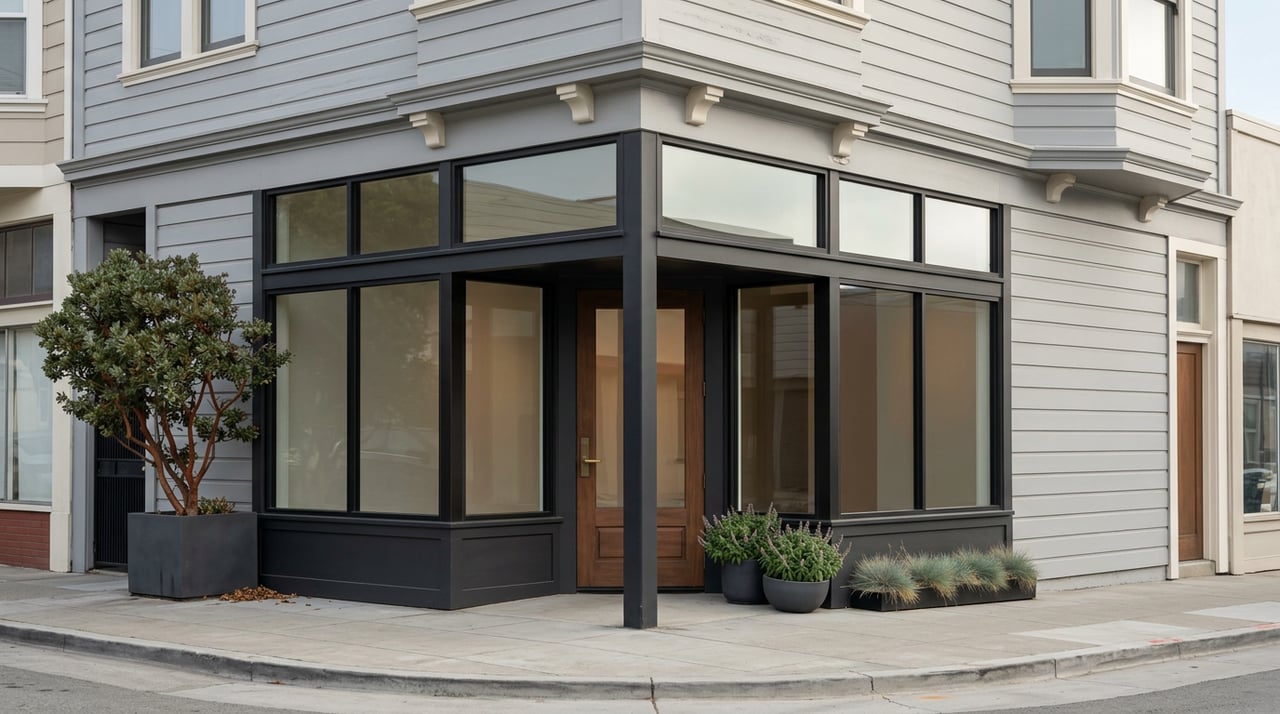
Garage conversion
This is often the fastest and most cost-effective route. You keep the existing shell, add insulation, plumbing, and a new layout, and address structural needs. Watch ceiling height, foundation condition, and utility access. Parking requirements can be reduced if your address is within one-half mile of transit, a common scenario in the Inner Sunset.
Basement or lower-level conversion
Lower levels in many Inner Sunset homes can become legal ADUs with thoughtful updates. Typical work includes adding egress windows or doors, improving headroom where needed, waterproofing, energy compliance, and fire separation. This path keeps your yard intact and can integrate well with the main structure.
Junior ADU inside the home
A JADU is a compact unit within your existing home, usually up to 500 square feet. It often shares some systems and can be an efficient option for multigenerational living or a small rental. Confirm current owner-occupancy and other requirements with San Francisco Planning.
New detached ADU in the rear yard
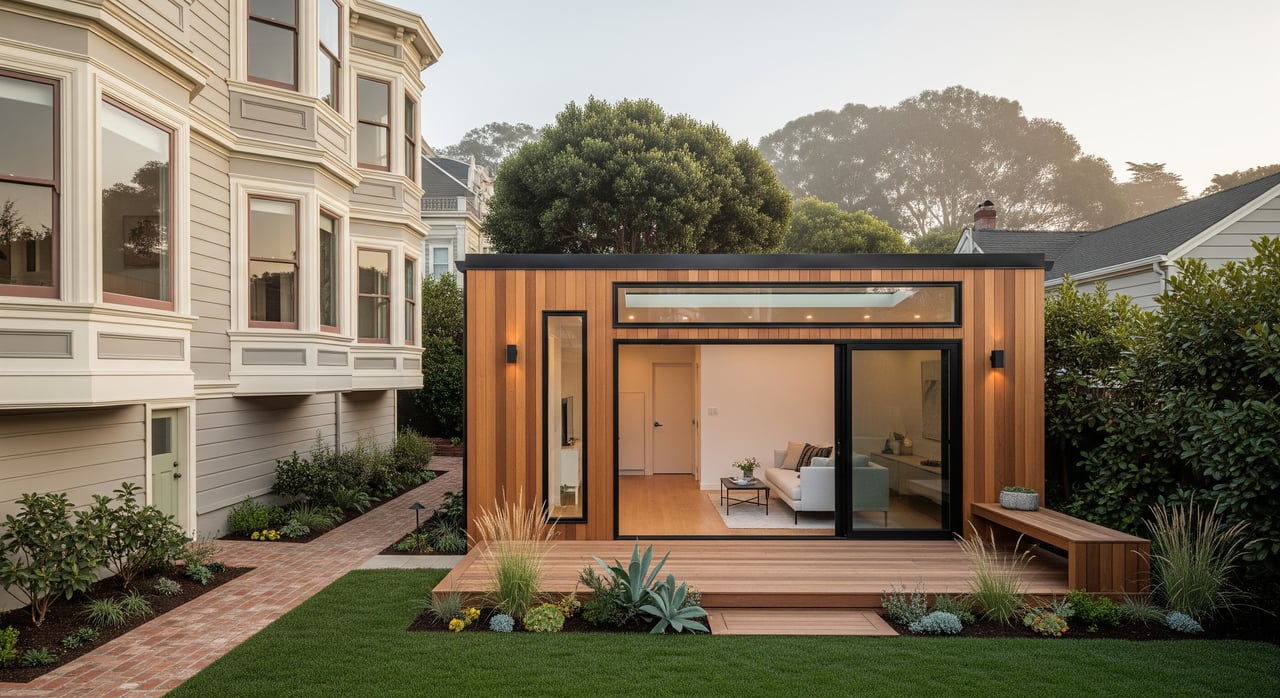
If your lot allows it, a new detached unit creates an independent residence with strong long-term value. Expect closer attention to rear yard setbacks, side yard clearances, privacy, and utility runs. This path typically has the longest timeline and highest cost but offers the most design flexibility.
Attached addition ADU
If a detached structure is not feasible, you can add an attached unit to the main home. This requires structural ties and more complex plan checks compared to interior conversions.
Design choices to consider
- Accessibility features such as step-free entries and wider doors can make the unit more versatile.
- All-electric systems and efficient envelopes align with California energy codes and local trends.
Rules and size limits to know
State size limits
- Most ADUs can be up to 1,200 square feet, subject to objective local standards.
- JADUs are typically up to 500 square feet within the existing home.
Always verify current requirements with San Francisco Planning and the Department of Building Inspection, since codes evolve.
Parking and transit
Under state rules, cities generally cannot require off-street parking for ADUs if the property is within one-half mile of public transit. With the N‑Judah and several bus lines nearby, many Inner Sunset addresses qualify. Confirm eligibility for your parcel with Planning.
Historic properties and design review
If your home is designated historic or within a historic district, expect added review and possible design constraints. This can affect exterior changes, window placements, and materials. Plan extra time for review.
Rental and occupancy basics
You can typically rent ADUs long term, and local tenant protections can apply. Short-term rentals are more limited and often require registration. Check with the San Francisco Rent Board and the city’s short-term rental program before you set your strategy.
Permits and timeline in San Francisco
The step-by-step path
- Feasibility and pre-check
- Review zoning and parcel details with San Francisco Planning tools. Consider a pre-application meeting if your site is complex or historic.
- Site survey and documentation
- Order a site survey and document existing conditions. Get a structural review if converting a garage or basement.
- Design and technical plans
- Partner with an architect or ADU-specialist designer to create building, structural, and MEP plans. Complete energy compliance documentation.
- Planning review
- Planning verifies zoning compliance, rear yard and height limits, and if needed, historic preservation considerations.
- Building permit and plan check
- Submit to the Department of Building Inspection. Plans circulate to structural, mechanical, electrical, fire, and other reviewers. Expect comments and revisions.
- Construction and inspections
- Follow DBI’s inspection schedule from foundation or framing through final.
- Final approval and occupancy
- After final inspections, your ADU can be legally occupied.
How long it takes
- Design to permit-ready drawings: about 1 to 3 months for simple conversions, 3 to 6 months for new detached units or complex sites.
- Plan check and permit approval: about 4 to 12 weeks for an initial review on straightforward projects, with added time for revisions or special reviews.
- Construction timelines:
- Interior or garage conversions: typically 2 to 6 months.
- New detached or large additions: typically 6 to 12 months or longer.
- Total duration:
- Garage conversion or JADU: commonly 4 to 9 months from start to finish.
- New detached ADU: commonly 8 to 18 months.
Tips to keep things moving
- Use pre-application counseling to catch issues early.
- Confirm transit-based parking exemptions up front.
- Coordinate sewer lateral and utility needs early so they do not stall inspections.
- Consider pre-approved or ADU-ready plan sets where appropriate.
Budget: costs and financing
Typical cost ranges
Actual costs vary by scope, site, and finish level, but these ranges are common in San Francisco:
- Garage or interior conversion: roughly 75,000 to 300,000 dollars or more.
- New detached ADU: roughly 200,000 to 600,000 dollars or more, depending on size, foundation work, and access.
Per-square-foot pricing varies widely across the Bay Area. Local contractor estimates will give you the best read for your property.
Biggest cost drivers
- Structural and foundation upgrades, especially for older garages and basements.
- Utility connections and any required sewer lateral work.
- Historic treatment and preservation-sensitive construction.
- Finish level and mechanical systems, including all-electric designs.
- Labor and material price swings.
Financing options to explore
- Cash or savings.
- Home equity line of credit or home-equity loan.
- Cash-out refinance.
- Construction loans or ADU-specific products from local lenders.
- Grants or subsidized financing when available through local or state programs.
Your lender can help you compare terms and timelines. If you plan to rent, factor in loan draws and lease-up timing.
ROI and use cases
ADU value is more than monthly rent. Think about both financial and lifestyle returns:
- Long-term rental income, supported by steady demand near transit and major institutions.
- Flex space for multigenerational living, caregiving, or aging in place.
- A home office or guest suite that can later convert to rental use.
- Potential property value lift from adding a legal unit, along with higher utility and operating costs.
When modeling ROI, include loan costs, insurance changes, property tax impacts, vacancy assumptions, and any property management expenses.
Your Inner Sunset ADU checklist
Use this simple plan to move forward with clarity:
- Confirm zoning and parcel details. Check if you have any historic status or overlays.
- Measure your opportunity. Document your garage or basement, yard, and access. Order a site survey if you are considering new construction.
- Talk with San Francisco Planning and DBI. Ask for ADU checklists and pre-application guidance.
- Get a quick structural and utility review. Identify foundation, drainage, sewer lateral, and service capacity early.
- Request estimates from two or three local ADU-experienced contractors or design-build teams.
- Compare financing paths with your lender. Ask about HELOCs, construction loans, and current programs.
- If renting, review Rent Board rules and short-term rental requirements.
- Set a realistic timeline. Build in time for plan check revisions and contractor scheduling.
Ready to turn a garage, basement, or yard into a flexible new home? Level Up Group’s process-first approach and local vendor network make it easier to plan, budget, and execute. Schedule a consultation with David Juarez to map your ADU strategy for the Inner Sunset.
FAQs
How long does it take to get an ADU permitted in San Francisco?
- For straightforward conversions, plan about 4 to 12 weeks for the first plan check cycle, with added time for revisions. Total project timelines commonly run 4 to 9 months for conversions and 8 to 18 months for detached units.
What size ADU can I build on an Inner Sunset lot?
- State rules allow most ADUs up to 1,200 square feet and JADUs up to 500 square feet, subject to local objective standards like setbacks and height. Always confirm with San Francisco Planning for your parcel.
Do I need parking if I add an ADU in the Inner Sunset?
- Many Inner Sunset homes are within one-half mile of public transit, which generally exempts the ADU from off-street parking requirements. Verify eligibility for your address with Planning.
Will converting my garage eliminate required parking?
- If your property qualifies for the transit-based parking exemption, losing a parking space may be allowed. Check the specific criteria with San Francisco Planning before you commit to a garage conversion.
Can I rent an ADU short-term in San Francisco?
- Short-term rentals face strict rules and often require registration. If your goal is short-term use, confirm what is allowed for ADUs and your property with the city’s short-term rental program before building.
How much does a garage conversion ADU cost in San Francisco?
- A typical garage or interior conversion often ranges from about 75,000 to 300,000 dollars or more, depending on structural work, utilities, finishes, and site conditions. Local contractor bids will refine your budget.