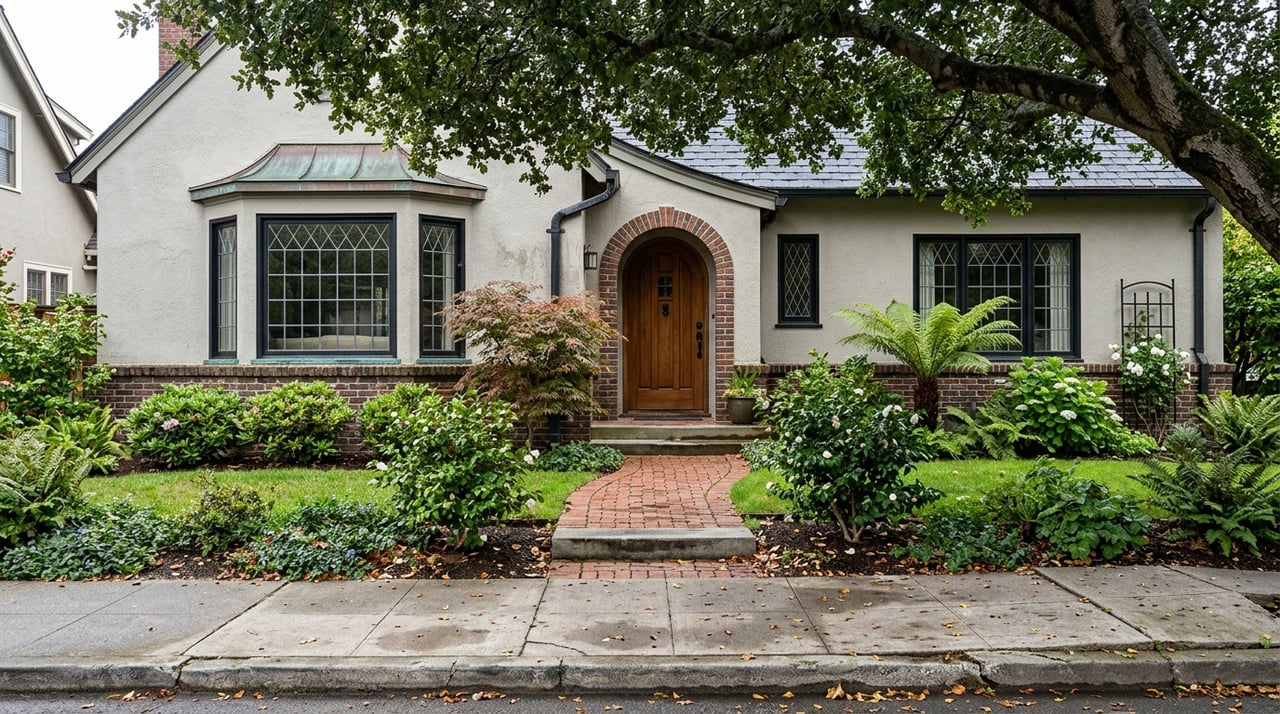
Thinking about buying in Forest Hill? This San Francisco neighborhood stands out for a reason. If you want a home that feels tucked into a historic, landscaped setting while still keeping city access close by, Forest Hill deserves a closer look. This guide will help you understand what daily life looks like here, from the streets and homes to transit, green space, and the overall neighborhood rhythm. Let’s dive in.
What Makes Forest Hill Distinct
Forest Hill is an early-20th-century residence park in San Francisco’s West of Twin Peaks area. According to San Francisco Planning, the neighborhood sits on a hilly site with a curving street pattern and a roughly triangular shape bounded by Laguna Honda Boulevard, Dewey Boulevard, and the former San Miguel Rancho boundary.
That design sets Forest Hill apart from flatter grid neighborhoods. Internal paths, stairs, medians, planting strips, and the landscaped area around Forest Hill Station all contribute to a more tucked-away residential setting. If you are looking for a neighborhood with a strong sense of physical identity, Forest Hill offers that right away.
Forest Hill History at a Glance
Forest Hill was developed in 1912 as a residence park. San Francisco Planning notes that the neighborhood includes about 650 houses on a hilly site with extremely curvilinear streets.
Forest Hill Station is also a meaningful part of the area’s history. San Francisco Heritage identifies it as a local landmark with Mission and Neoclassical Revival design influences, and ties it to San Francisco’s westward expansion. For future homeowners, that history is not just background. It still shapes how the neighborhood looks and feels today.
Forest Hill Homes and Architecture
Expect Variety Within a Cohesive Setting
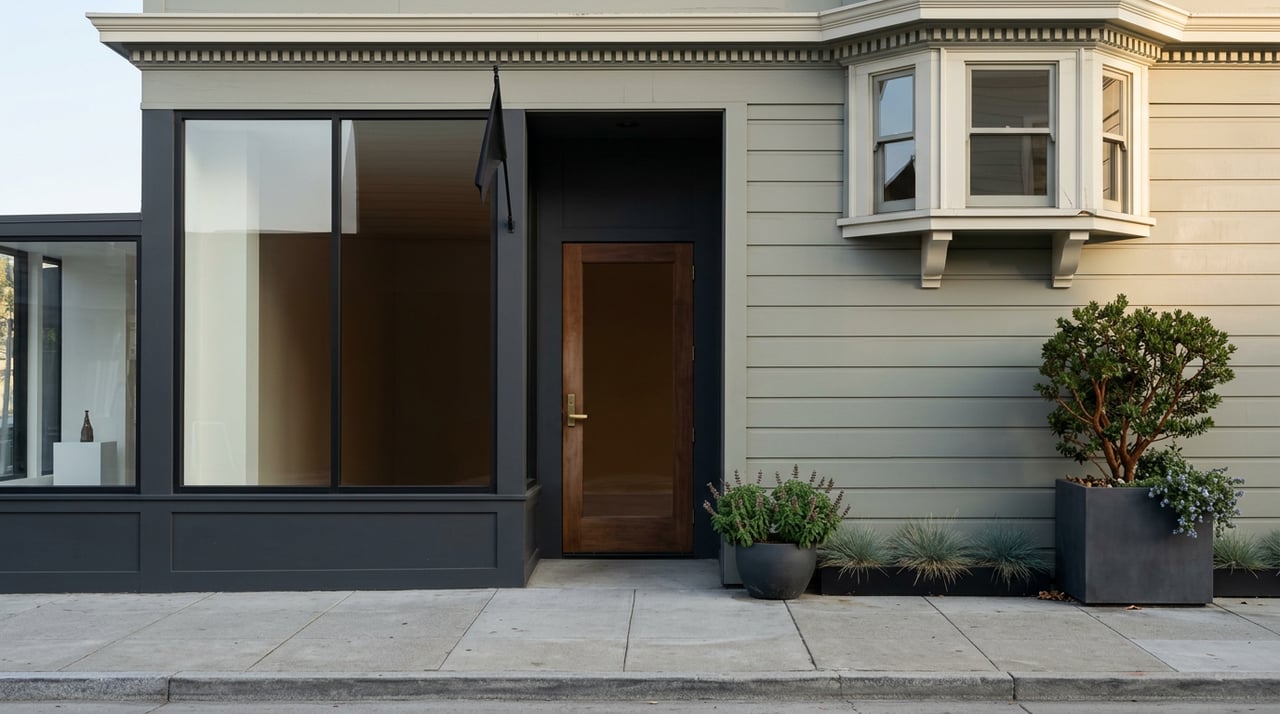
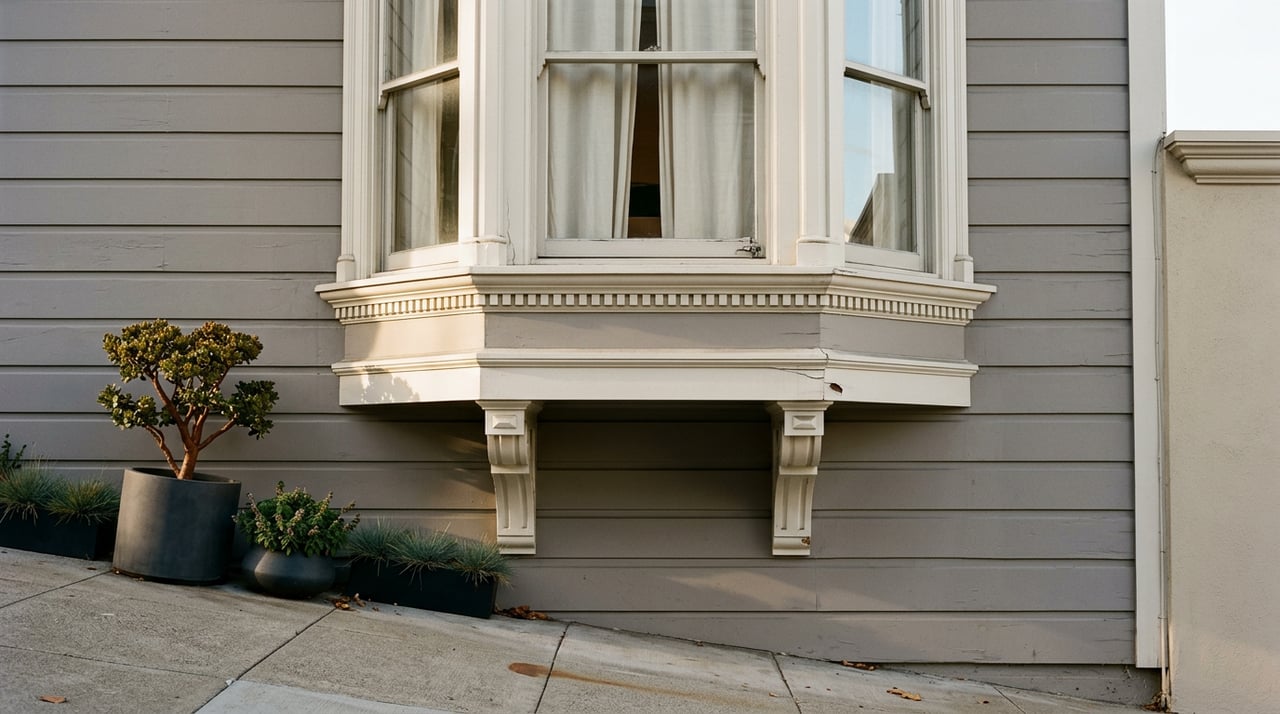
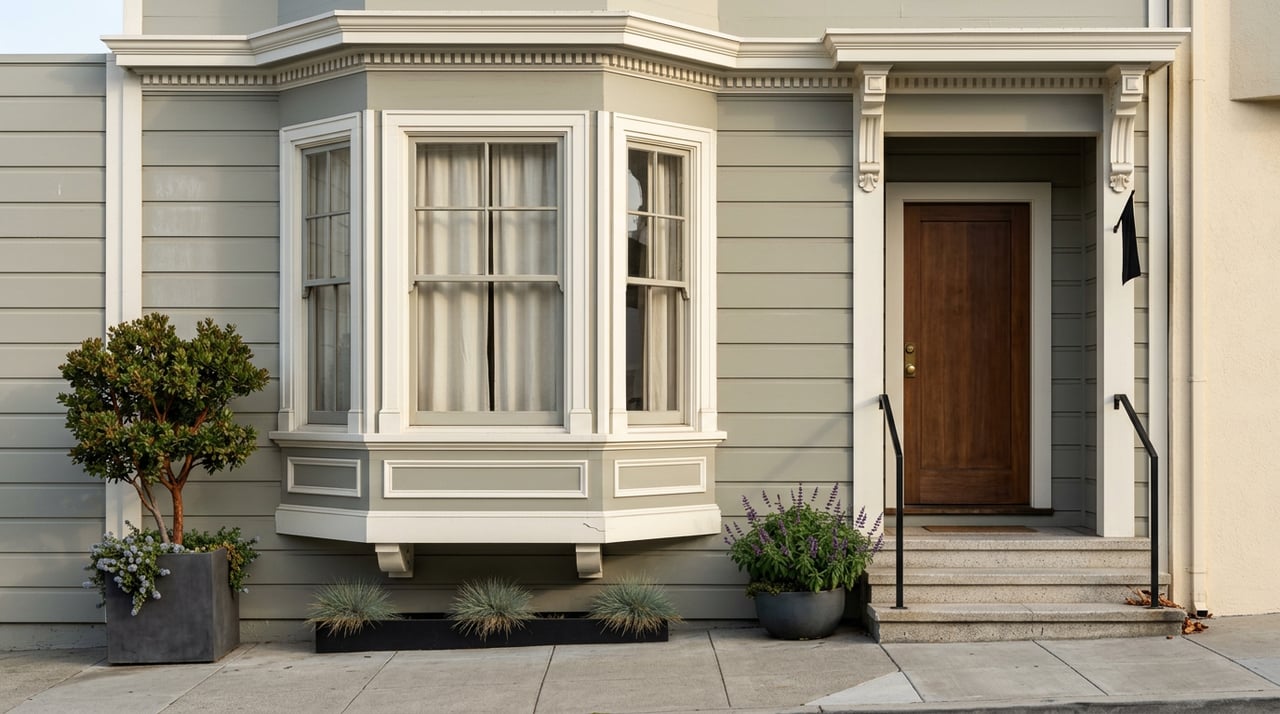
One of Forest Hill’s biggest draws is that it feels coordinated without feeling repetitive. San Francisco Planning explains that residence parks commonly include architectural styles such as Colonial Revival, Spanish Colonial Revival, Tudor, and Craftsman.
In Forest Hill, that means you are likely to see homes with distinct personalities rather than one uniform look repeated block after block. The neighborhood reads as historic and residential, but with enough architectural variation to keep the streetscape visually interesting.
The Landscape Is Part of the Design
In Forest Hill, the setting matters almost as much as the homes themselves. Historical planning records note that the original development included a streetcar station and a community shopping center, while the neighborhood plan also incorporated entrance features, planting strips, stairways, medians, and other shared landscape elements.
For you as a buyer, that means curb appeal here is not only about one lot or one facade. It is also about the broader neighborhood environment. The streets, planted areas, and circulation patterns all play a role in the day-to-day experience of living here.
What Daily Life Feels Like
A Residential Feel With City Access
A common question about Forest Hill is whether it feels connected or secluded. In practice, it offers a bit of both. The neighborhood has a distinctly residential feel, but transit connections help keep the rest of San Francisco within reach.
This balance is one reason Forest Hill appeals to many buyers. You can enjoy a setting that feels set apart from busier corridors without giving up practical access to other parts of the city.
Hilly Streets Shape the Experience
Forest Hill is not flat, and that matters when you picture your daily routine. San Francisco Planning notes that the northern and northwestern portions are quite hilly, with steep streets and sharp turns, while the southern portion is gentler.
That topography affects everything from walks to parking to how you move through the neighborhood. If you love hillside San Francisco character, this may be a plus. If you prefer easier grades, it is worth paying attention to the specific block and micro-location.
Transit and Getting Around
Forest Hill Station Is a Key Advantage
Transit is one of Forest Hill’s strongest practical benefits. SFMTA’s Twin Peaks Tunnel history places Forest Hill Station on the historic corridor and states that the station opened to transit service in 1918.
SFMTA also describes Muni as a citywide network of buses, light rail, historic streetcars, and cable cars. For a buyer, this means Forest Hill combines a more residential setting with access to a broader city transit system. That is a valuable mix in San Francisco.
Walkability Here Is Different
Forest Hill can be very enjoyable for local walking, but the experience is shaped by the hills and curved layout. The neighborhood’s paths, stairs, and planted medians make it appealing for strolling, though some blocks are steeper and more segmented than in flatter areas.
If you are used to a standard city grid, Forest Hill may feel different in a good way. It is more about wandering through a landscaped residential setting than moving through straight, uniform blocks.
Shops and Errands Near Forest Hill
West Portal Supports Daily Convenience
For everyday errands and neighborhood shopping, West Portal is the closest major commercial area. The West Portal Merchants Association describes it as a vibrant shopping corridor surrounded by Forest Hill and other west-side neighborhoods, with small businesses and one-stop shopping for locals and commuters.
That nearby commercial access matters for quality of life. It gives Forest Hill homeowners a practical destination for day-to-day needs while allowing the neighborhood itself to stay primarily residential.
Local Services Were Part of the Original Vision
Forest Hill was designed with daily life in mind from the beginning. Planning records note that the original neighborhood plan included a small commercial strip south of the station.
That detail helps explain why the area feels intentional rather than accidental. Even as the neighborhood has evolved, the idea of linking homes, transit, and nearby services has remained part of its structure.
Parks, Green Space, and Outdoor Time
Landscaping Is Built Into the Neighborhood
Forest Hill has a strong green identity even within its residential fabric. San Francisco Planning identifies the park area around Forest Hill Station as one of the neighborhood’s key cultural landscape features, along with medians, stairs, and planting strips.
SFMTA’s station-area improvements also added drought-tolerant and native plants around the historic station. For homeowners, these details add up to a neighborhood where landscaping is not an afterthought. It is part of the visual rhythm of daily life.
Twin Peaks Adds Nearby Open Space
Forest Hill’s location in the West of Twin Peaks area also supports access to larger outdoor destinations. San Francisco Recreation and Parks describes Twin Peaks as one of the city’s iconic open spaces, with 360-degree views and trail access.
If outdoor time matters to you, this nearby access adds another lifestyle benefit. You are not just buying a home. You are also buying into a location with a clear relationship to some of San Francisco’s notable open space.
Community Life in Forest Hill
Forest Hill has more than attractive homes and landscaped streets. It also has a durable civic identity. The Forest Hill Garden and Social Club, founded in 1931, promotes community service, cultural awareness, social activities, neighborhood beautification, and programming tied to local life.
For future homeowners, that kind of long-running organization can be a meaningful part of the neighborhood experience. It suggests Forest Hill is not simply a collection of houses. It is a place with shared stewardship and lasting community traditions.
Is Forest Hill the Right Fit for You?
Forest Hill may be a strong fit if you want a historic residential setting, varied architecture, strong landscape character, and practical Muni access. It may also appeal to you if you value a neighborhood that feels distinct from San Francisco’s flatter grid areas.
At the same time, the hills, curves, and segmented street layout are important to understand before you buy. In a micro-market like Forest Hill, the difference between one block and another can shape your lifestyle in real ways. That is why local guidance matters.
If you are exploring Forest Hill and want help comparing streets, home styles, and day-to-day lifestyle tradeoffs, David Juarez can help you evaluate the neighborhood with a clear, local perspective.
FAQs
What is the housing stock like in Forest Hill, San Francisco?
- Forest Hill is known for mostly detached, low-rise homes in a residence-park setting, with a historic layout focused on landscaped streets rather than a dense city grid.
How hilly is Forest Hill for homeowners?
- Forest Hill is quite hilly in the northern and northwestern areas, with steep streets and sharp turns, while the southern part of the neighborhood is generally gentler.
Is Forest Hill walkable for daily life?
- Forest Hill is well suited for local walking and strolling, but the hillside topography and curved street layout make some routes steeper and more segmented than in flatter San Francisco neighborhoods.
Does Forest Hill feel isolated from the rest of San Francisco?
- Forest Hill feels residential and somewhat tucked away, but access to Forest Hill Station and the broader Muni network helps keep the neighborhood connected to the city.
What shopping area is closest to Forest Hill?
- West Portal is the closest major shopping corridor, offering small businesses and convenient day-to-day services for nearby residents and commuters.
What gives Forest Hill its community identity?
- Forest Hill’s community identity is reinforced by its historic station landscape, shared neighborhood design features, and long-running organizations like the Forest Hill Garden and Social Club.