Want a San Francisco neighborhood where you can step out for coffee, catch a train downtown, and still come home to a quieter residential street? That mix is exactly why West Portal keeps showing up on buyers’ short lists. If you are weighing commute time, walkability, and home style all at once, this guide will help you understand what makes West Portal stand out and how to approach the market with confidence. Let’s dive in.
Why West Portal Fits Transit-Friendly Living
West Portal gets its name from the western end of the Twin Peaks tunnel, where the K, L, and M streetcar lines meet. That transit connection is not a small detail. It is one of the main reasons the neighborhood works so well for buyers who want easier access to the rest of San Francisco.
West Portal Station is a major Muni hub, with about 80,000 customers passing through each day according to SFMTA. The K, L, and M lines connect here, and the subway segment from West Portal to The Embarcadero runs underground. For many buyers, the headline number is simple: SFMTA estimates about 15 minutes from West Portal to Montgomery Station.
That kind of direct rail access can change your daily routine. Instead of planning life around traffic, parking, or longer transfers, you can center your search around a neighborhood where transit is already built into everyday living.
What the Village Feel Means
West Portal is often described as a village inside the city, and that phrase matches how the area is planned. San Francisco Planning defines the West Portal Avenue Neighborhood Commercial District as a compact corridor along West Portal Avenue from Ulloa Street to 15th Avenue, plus one block east along Ulloa toward Claremont Boulevard.
The planning code says the district is meant to preserve West Portal’s family-oriented, village character and keep development compatible with the surrounding residential blocks. In plain terms, that helps explain why the neighborhood can feel active near the avenue while staying more residential just a block or two away.
For you as a buyer, that layout matters. It means daily errands, dining, coffee, and transit can often happen within the same short walk, without making the neighborhood feel entirely commercial.
Daily Life Near West Portal Avenue
One of West Portal’s biggest advantages is how closely transit and neighborhood services are tied together. The commercial core is only a few blocks long, which helps keep it convenient and easy to navigate.
If you value car-light living, this can be a strong fit. You may be able to handle a commute, grab a meal, and knock out basic errands without needing to drive across town.
That is a key difference between West Portal and some other west-side options. Here, the rail access sits right at the center of the neighborhood retail corridor, rather than feeling separate from it.
West Portal Homes and Style
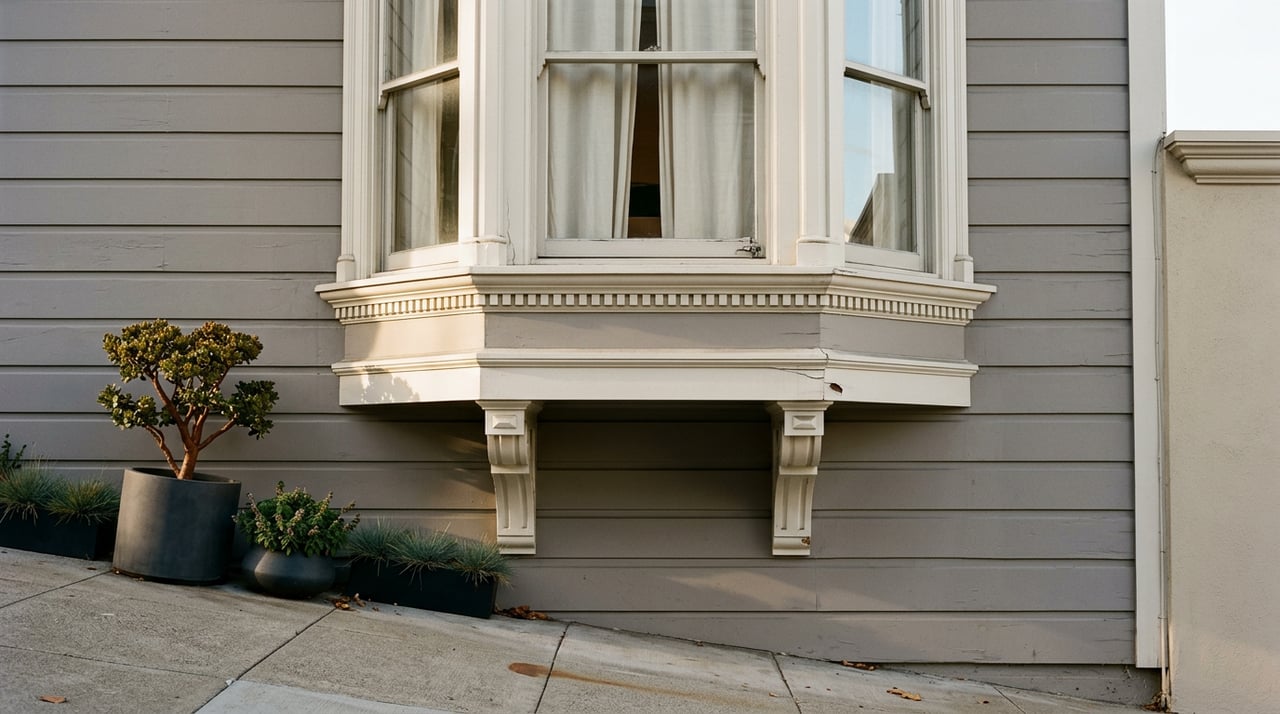
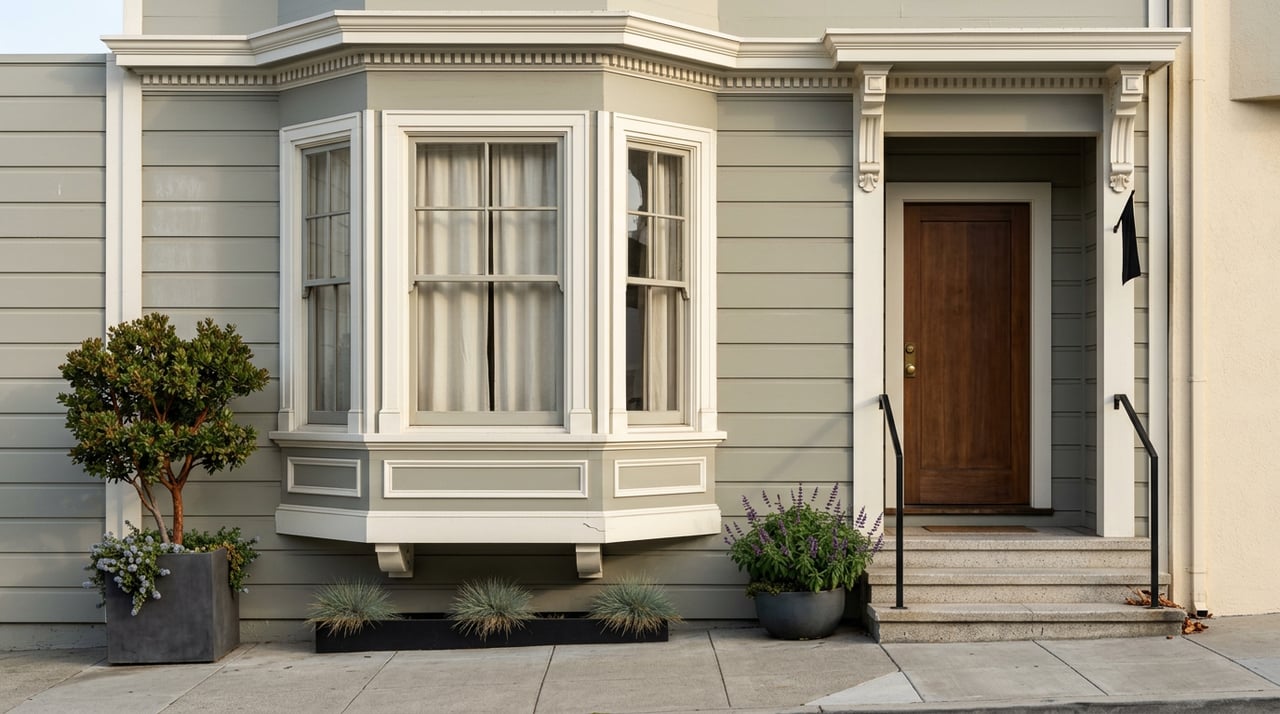
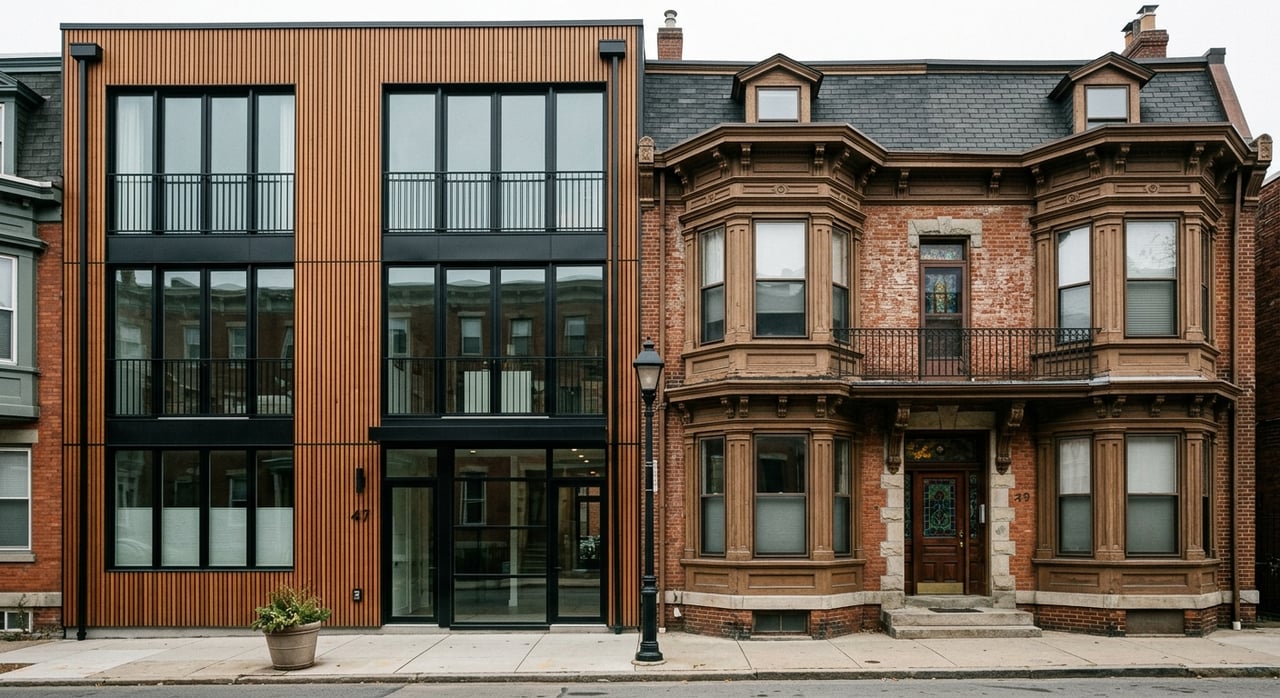
West Portal is largely residential, and the housing stock leans vintage. According to the San Francisco Chronicle’s west-side guide, the neighborhood includes many 1920s-era homes, with styles ranging from Colonial Revival and Marina-style homes to older cottages, Arts and Crafts bungalows, and row houses with Mediterranean influence.
That variety gives buyers more than one visual style to consider. You are not just shopping for a location here. You are often choosing between different types of older San Francisco homes, each with its own layout, updates, and maintenance needs.
The neighborhood is also known more for houses than for a dense condo landscape, though market activity includes both detached homes and condo or co-op sales. If your goal is a vintage-home setting with strong transit access, West Portal has a very specific niche.
West Portal Price Points in 2026
West Portal remains a highly competitive market. Over the three months ending May 2026, Redfin reported a median sale price of $1,634,450, a median price per square foot of about $1,000, median days on market of 22, and an average sale-to-list price of 112.7%.
Those numbers point to a market where buyers need to be prepared. Redfin also reported that most homes receive multiple offers, and hot homes can go pending in about nine days.
It is also important to keep context in mind. Only six homes sold in May, so month-to-month changes can be noisy. Looking at the broader pattern is usually more useful than reacting to a single month.
What Buyers Can Expect by Price
Recent sales help illustrate the range. A 3-bedroom, 2-bath home at 1715 Ulloa Street sold for $1.42 million. A 3-bedroom, 2-bath home at 2654 18th Avenue sold for $1.8 million, while a 2-bedroom, 1.5-bath home at 2659 17th Avenue sold for $2.7 million.
Those examples show how pricing can move quickly based on size, condition, and updates. Smaller or older homes may still trade in the low-to-mid $1 million range, while larger or more extensively updated properties can push well into the $2 million range and beyond.
If you are comparing West Portal with nearby areas, Redfin’s recent neighborhood snapshots place West Portal near Outer Sunset at $1.6 million, below Sunset District at $1.88 million and Inner Sunset at $2.2 million, and well below Forest Hill at $3.5 million.
How West Portal Compares Nearby
Price is only one part of the comparison. What makes West Portal stand out is its blend of direct rail access, a compact commercial district, and a mostly residential setting.
Some neighborhoods may offer a similar price point but not the same transit convenience. Others may offer strong transit access but feel denser or more urban in their block pattern.
West Portal tends to appeal to buyers who want a more traditional home environment without giving up practical access to downtown. That combination helps support demand in the neighborhood.
How to Shop Transit-Adjacent Homes
When you tour homes in West Portal, look beyond the address and focus on the home’s exact relationship to the station and commercial core. A property that is technically close to transit may feel very different depending on pedestrian activity, traffic flow, curb access, and street position.
SFMTA identifies West Portal Station as a key transit node and is pursuing changes aimed at improving transit, traffic circulation, and pedestrian safety. That makes it especially important to evaluate each property on its own terms rather than assuming every nearby block will feel the same.
For example, one buyer may love being steps from the station and shops. Another may prefer a home a little farther out for a quieter day-to-day setting while still keeping the station within easy reach.
Offer Strategy in a Fast Market
Because West Portal often sees multiple offers and above-list sales, preparation matters. Buyers should have financing in order, a clear maximum price, and a realistic understanding of how quickly decisions may need to happen.
This is not the kind of market where it helps to start sorting out your financing after you find the right house. If a strong property hits the market, being ready to act can make a real difference.
It also helps to define your tradeoffs early. You may need to decide what matters most to you, such as being closest to the station, getting more square footage, or finding a home with more updates.
A Smart West Portal Buying Plan
If West Portal is on your list, a focused plan can help you move faster and with less stress. Start by narrowing your priorities before you fall in love with a property.
Consider these questions as you shape your search:
- How important is a short walk to West Portal Station?
- Do you want a house with vintage character, updated finishes, or a mix of both?
- Are you comfortable competing in a market where homes may sell above list price?
- Would you rather be near the commercial corridor or slightly farther away on a more residential block?
- What is your true budget once you account for competition and closing costs?
A clear plan helps you compare homes more effectively. It also makes it easier to move decisively when the right opportunity appears.
Why Local Guidance Matters
In a micro-market like West Portal, neighborhood-level knowledge can be a real advantage. Two homes with similar bedroom counts can offer very different day-to-day experiences depending on the block, access pattern, and relationship to transit.
That is where a process-driven buying strategy matters. When you combine market data with a close read of the neighborhood, you can make choices based on both lifestyle fit and competition, not just list price.
If you want help building a smart West Portal home search, connect with David Juarez for a consultation.
FAQs
How fast is the West Portal commute to downtown San Francisco?
- SFMTA estimates the trip from West Portal to Montgomery Station at about 15 minutes on the K, L, and M lines.
What makes West Portal different from other west-side San Francisco neighborhoods?
- West Portal stands out for its combination of direct rail access, a compact neighborhood commercial district, and a mostly residential setting.
What types of homes are common in West Portal, San Francisco?
- West Portal is known for vintage housing, including many 1920s-era homes such as Colonial Revival, Marina-style, cottages, Arts and Crafts bungalows, and Mediterranean-influenced row houses.
Is the West Portal housing market competitive for buyers?
- Yes. Redfin reports that the area is highly competitive, with multiple offers common, median days on market of 22, and an average sale-to-list price of 112.7% over the three months ending May 2026.
What should buyers look at when choosing a home near West Portal Station?
- Buyers should evaluate the property’s exact location relative to the station, the commercial corridor, pedestrian activity, traffic flow, and curb access, since nearby homes can feel very different block by block.