If you want your Inner Sunset home to sell quickly, the right updates usually are not the biggest ones. In this part of San Francisco, many homes were built decades ago, and buyers often respond best to spaces that feel clean, well cared for, and easy to move into. That means your smartest pre-sale plan is often a focused one. Let’s dive in.
Why targeted updates matter in Inner Sunset
Inner Sunset is a distinct San Francisco micro-market known for its walkable commercial corridors, access to Golden Gate Park, nearby UCSF, and service from the N Judah line, according to the Inner Sunset Park Neighbors overview. It is also a neighborhood with older housing stock. A San Francisco Planning neighborhood profile shows a median year built of 1952.
That age matters when you are preparing to sell. In many cases, buyers are not looking for a highly personalized redesign. They are looking for a home that feels functional, fresh, and well maintained from the moment they walk in.
That approach also fits the pace of the local market. Redfin’s Inner Sunset housing market snapshot reports a median sale price of $2.215M, 15 days on market, and 75% of homes selling above list price. In a fast, competitive environment, visible condition can help your home make a strong first impression right away.
Start with condition and presentation
Before you think about a major remodel, start with what buyers notice first. The National Association of Realtors found in its 2025 staging report that the most common seller recommendations were decluttering, cleaning, and improving curb appeal. The same report found that 49% of sellers’ agents said staging reduced time on market.
That is a strong signal for Inner Sunset sellers. If your goal is a faster sale, begin with the basics that make your home feel lighter, cleaner, and easier to picture as move-in ready.
Focus first on:
- Deep cleaning
- Decluttering
- Touch-up repairs
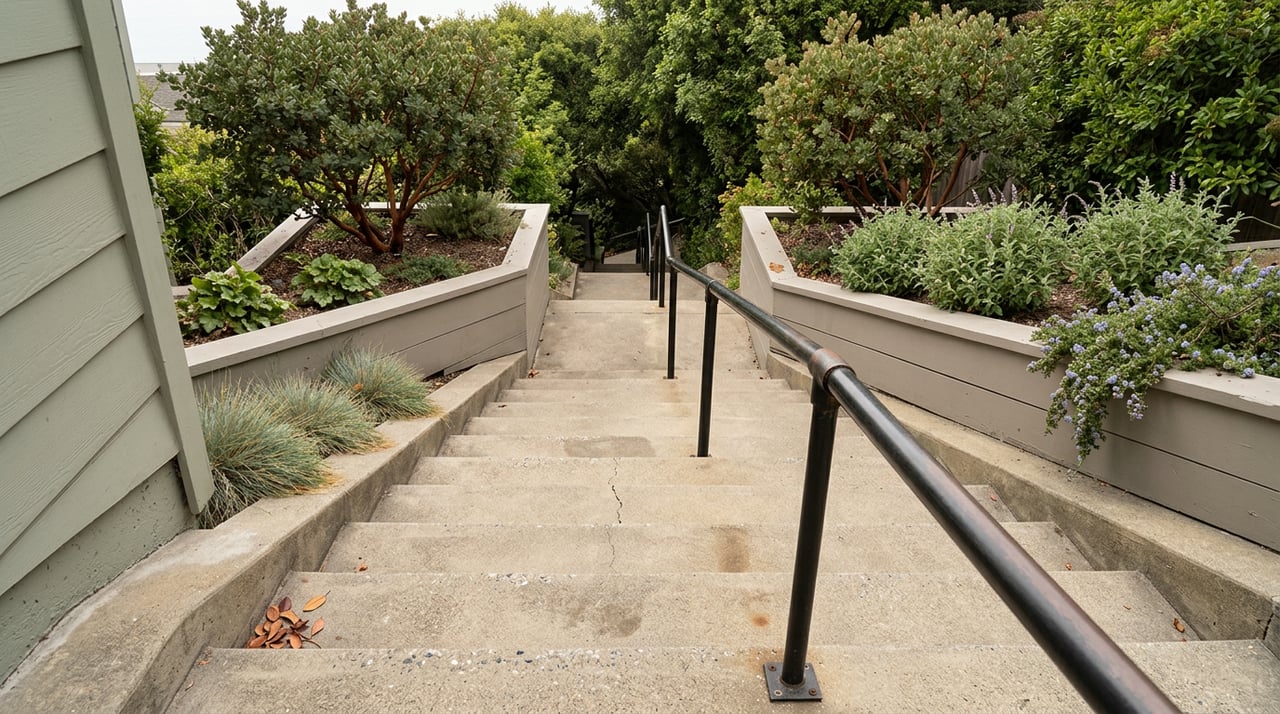
- Fresh landscaping or entry cleanup
- Staging key rooms
NAR also reported that buyers cared most about the living room, primary bedroom, and kitchen. If your budget is limited, those are often the rooms where preparation work can have the most impact.
Best renovations for a faster sale
Refresh paint and finishes
Fresh paint is one of the simplest ways to make an older home feel current. NAR’s 2025 Remodeling Impact Report highlighted interior paint and exterior siding paint among top projects.
For a seller, paint does more than cover wear. It helps brighten foggy-day interiors, makes rooms feel cleaner in photos, and gives buyers fewer visible distractions during showings.
Stick with clean, neutral finishes. The goal is not to make a design statement. The goal is to help buyers focus on the space itself.
Improve the front entry
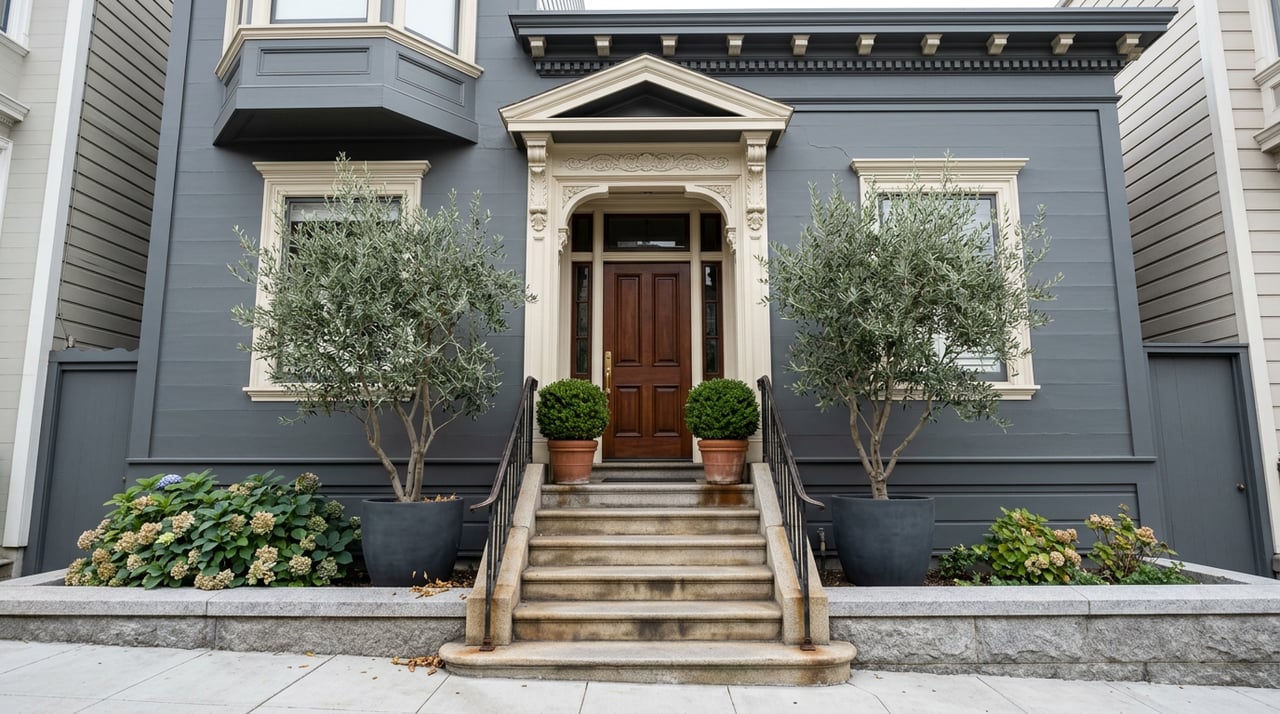
Your front door and entry sequence shape the first impression. That matters in a neighborhood where homes often compete closely on location, layout, and condition.
According to an NAR report on remodeling projects, a new steel front door had 100% cost recovery, and a new fiberglass front door came in at 80%. If your existing door is worn, dated, or damaged, this is one of the clearest places to spend.
You may also want to consider:
- Updated hardware
- Better exterior lighting
- Repaired trim
- Clean, freshly painted steps or rails
Update flooring when needed
Old or damaged flooring can slow buyer momentum. The 2025 Remodeling Impact Report included new wood flooring among notable projects, which supports the value of visible floor improvements.
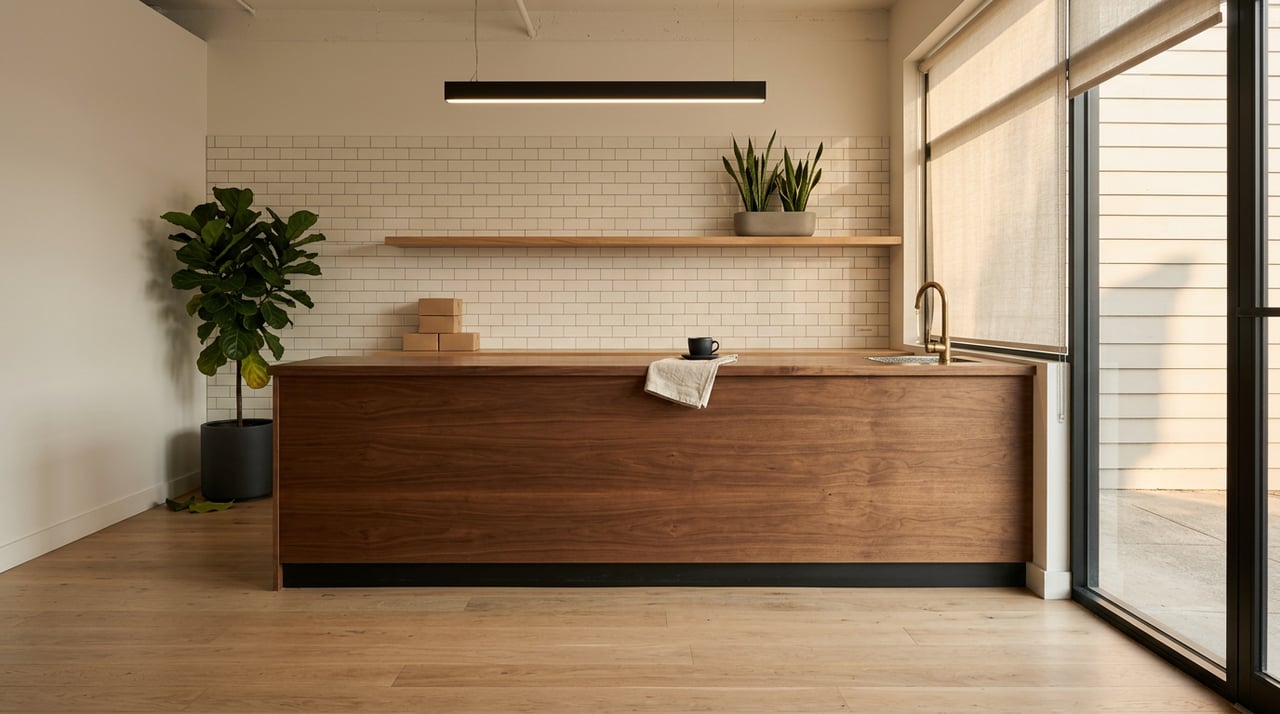
If your flooring is in good shape, refinishing or professional cleaning may be enough. If it is heavily worn, replacing it with a clean, durable option can help the home feel more polished and better maintained.
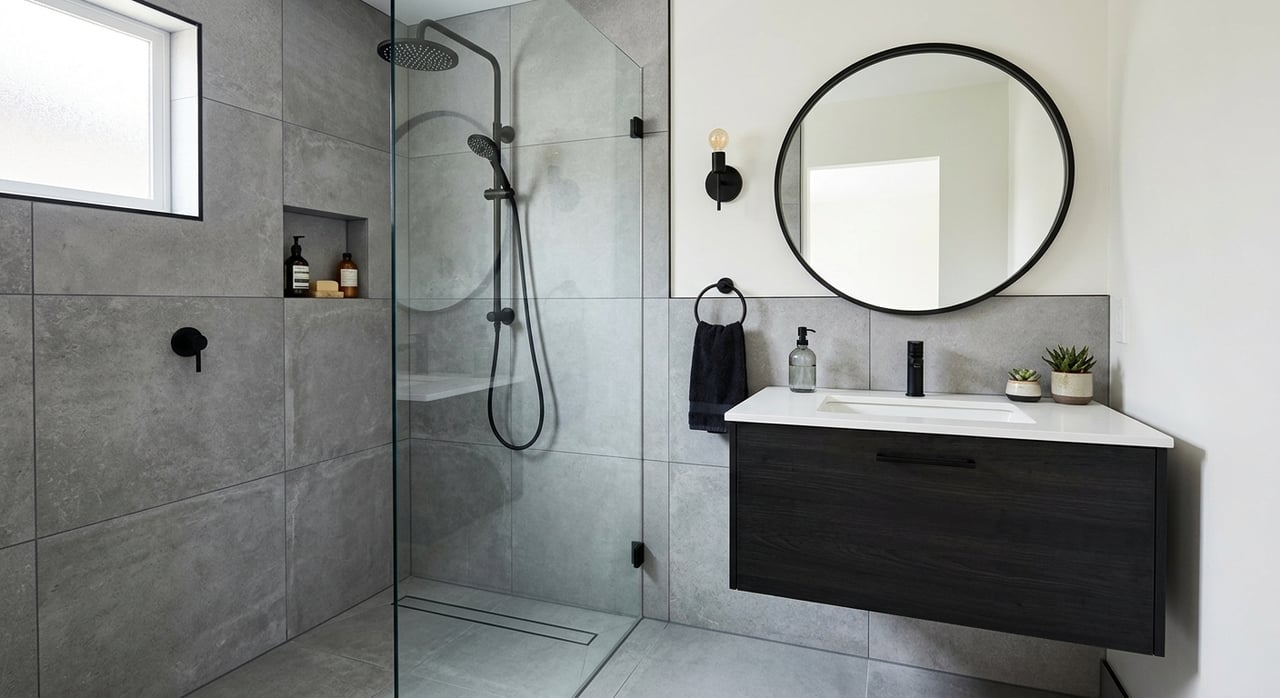
Refresh kitchens and baths
Kitchen and bathroom updates often attract the most attention, but that does not always mean you need a full renovation. In many Inner Sunset homes, a modest refresh can be more practical than a gut remodel.
NAR’s remodeling research points to strong homeowner satisfaction around kitchen and bathroom projects, while also showing that smaller, highly visible improvements often lead cost recovery. For sellers focused on speed, that usually means keeping the floor plan intact and improving what buyers see every day.
A smart kitchen or bath refresh may include:
- Painting cabinets
- Replacing worn hardware
- Updating light fixtures
- Replacing dated mirrors
- Regrouting tile
- Repairing damaged surfaces
- Installing a new vanity or countertop if the old one looks tired
Add or improve storage
Storage matters in city homes. An NAR remodeling report summary found closet renovation near the top for cost recovery at 83%.
That does not mean building elaborate custom systems in every room. It means making existing storage feel useful, organized, and easy to understand. Simple closet improvements can make a home feel more functional without changing its character.
Repair windows, doors, and exterior wear
If exterior elements look tired, buyers often assume other maintenance has been deferred too. NAR’s sustainability research found that windows, doors, and siding are among the most important green-home features for clients.
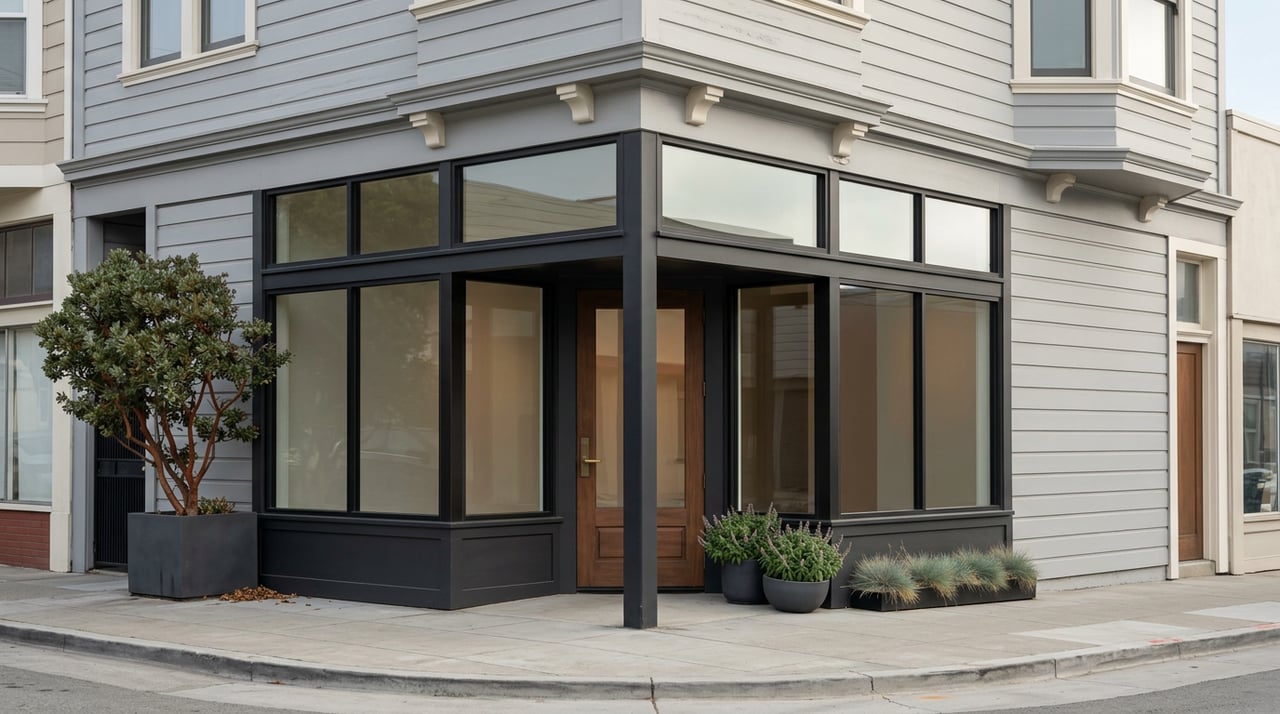
If your windows are damaged, your siding is worn, or your exterior doors need repair or replacement, these updates can support both appearance and buyer confidence. In an older neighborhood, maintenance signals matter.
Renovations to think through carefully
Big renovation budgets do not always create faster sales. In fact, they can add time, complexity, and design risk.
The 2025 Remodeling Impact Report found that 46% of buyers are less willing to compromise on condition than before. That supports fixing what feels worn or outdated. It does not automatically support over-improving with a highly customized project.
In many cases, you should evaluate these carefully before spending big:
- Full gut kitchens
- Major additions
- Floor plan changes
- High-end custom built-ins with niche appeal
- Luxury finishes that outpace the rest of the home
If you are selling within 6 to 12 months, a moderate refresh is often a better match for your timeline and likely buyer expectations than a major construction project.
Plan around permits and timing
In San Francisco, timing matters almost as much as project selection. The Department of Building Inspection permit services page notes that permits may apply to electrical, plumbing, mechanical, reroofing, kitchen and bath remodels, and other construction work.
The city also explains in its permit guidance for plans that some in-kind work may follow a no-plan path, including certain doors, windows, siding, reroofing, and some kitchen or bath remodels that do not change the floor plan. That is one reason a 6 to 12 month prep window can be practical for sellers.
If you are considering exterior changes, it is smart to check scope early. SF Planning’s Inner Sunset historic context statement is a reminder that neighborhood architecture and development patterns can affect how projects are reviewed.
For exterior painting or façade work, weather can also shape your schedule. The Inner Sunset neighborhood association notes that the area is often foggy from May through August and usually warmer and sunnier from September through November.
A simple pre-sale renovation sequence
If you want to improve speed without overcomplicating the process, a straightforward sequence usually works best.
1. Inspect the home’s visible condition
Start by identifying what a buyer will notice in the first few minutes. Focus on deferred maintenance, worn finishes, dated paint, and anything that may raise concern.
2. Choose one or two high-impact projects
Prioritize the updates most likely to improve first impressions. Paint, flooring, entry improvements, kitchen touch-ups, and bathroom refreshes usually make more sense than a full redesign.
3. Confirm permit needs early
If your project involves windows, doors, siding, roofing, plumbing, or electrical work, check permit requirements before work begins. Early planning helps avoid delays later.
4. Finish messy work before staging
Dust-producing work should happen before furniture, styling, and photography. This keeps the final presentation clean and efficient.
5. Stage for buyer focus
Since buyers pay close attention to the living room, primary bedroom, and kitchen, those rooms should feel especially polished. Good staging helps buyers read the scale, layout, and livability of the home more quickly.
The goal is confidence, not overbuilding
In Inner Sunset, the best renovations for a faster sale usually help your home feel cared for, current, and easy to say yes to. That often means smart cosmetic improvements, clear maintenance signals, and a polished presentation rather than a dramatic reinvention.
When you match your prep plan to the neighborhood, the housing stock, and the local sales pace, you give buyers fewer reasons to hesitate. If you want a focused strategy for which updates are worth making before you list, David Juarez can help you build a plan that supports a smoother, more confident sale.
FAQs
What renovations help an Inner Sunset home sell faster?
- The most effective projects are usually visible, practical updates such as decluttering, cleaning, paint, flooring improvements, entry upgrades, light kitchen or bath refreshes, and staging.
Should you fully remodel a kitchen before selling in Inner Sunset?
- Not always. If your goal is speed, a modest kitchen refresh that improves appearance and function may make more sense than a full gut renovation.
Do staging and presentation matter for Inner Sunset listings?
- Yes. NAR’s 2025 staging report found that 49% of sellers’ agents saw staging reduce time on market, and buyers cared most about the living room, primary bedroom, and kitchen.
Do San Francisco permits affect pre-sale renovations in Inner Sunset?
- Yes. Some projects may require permits, while some in-kind work may have simpler review paths, so it is wise to confirm permit scope early in your planning.
When is the best time for exterior work on an Inner Sunset home?
- The neighborhood association notes that Inner Sunset is often foggy from May through August and typically warmer and sunnier from September through November, which can make late summer to fall a better fit for some exterior projects.