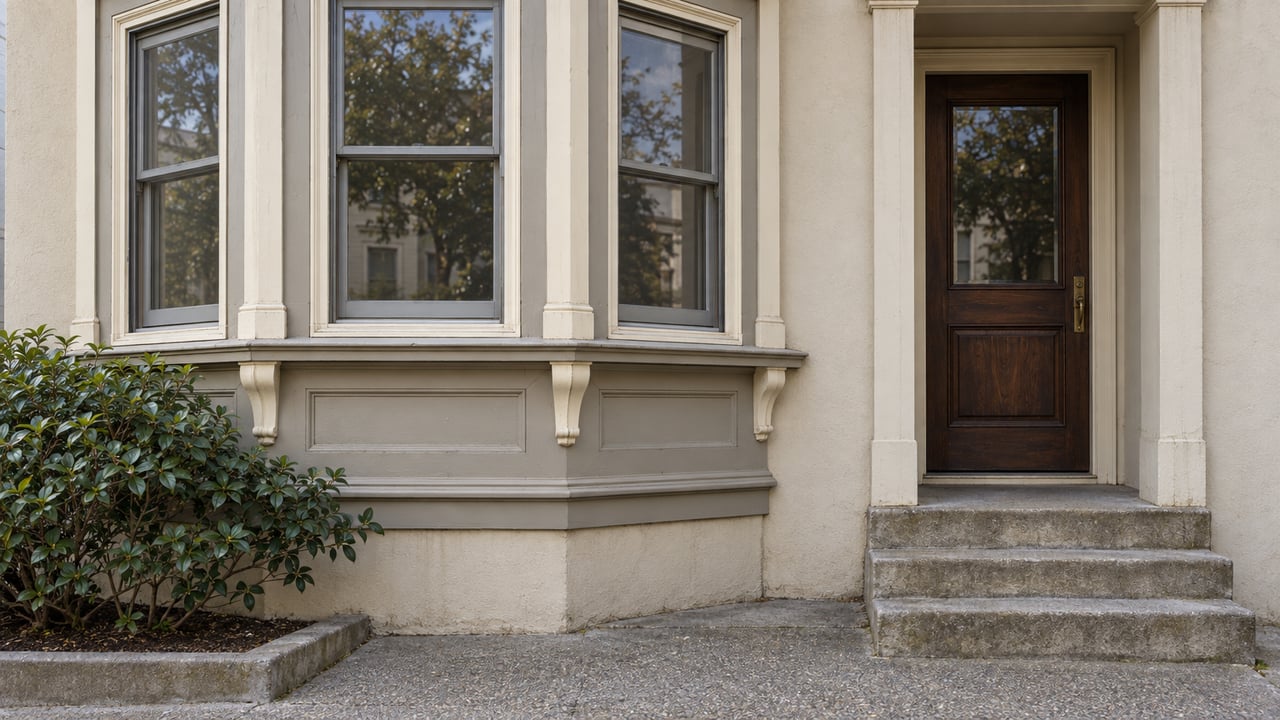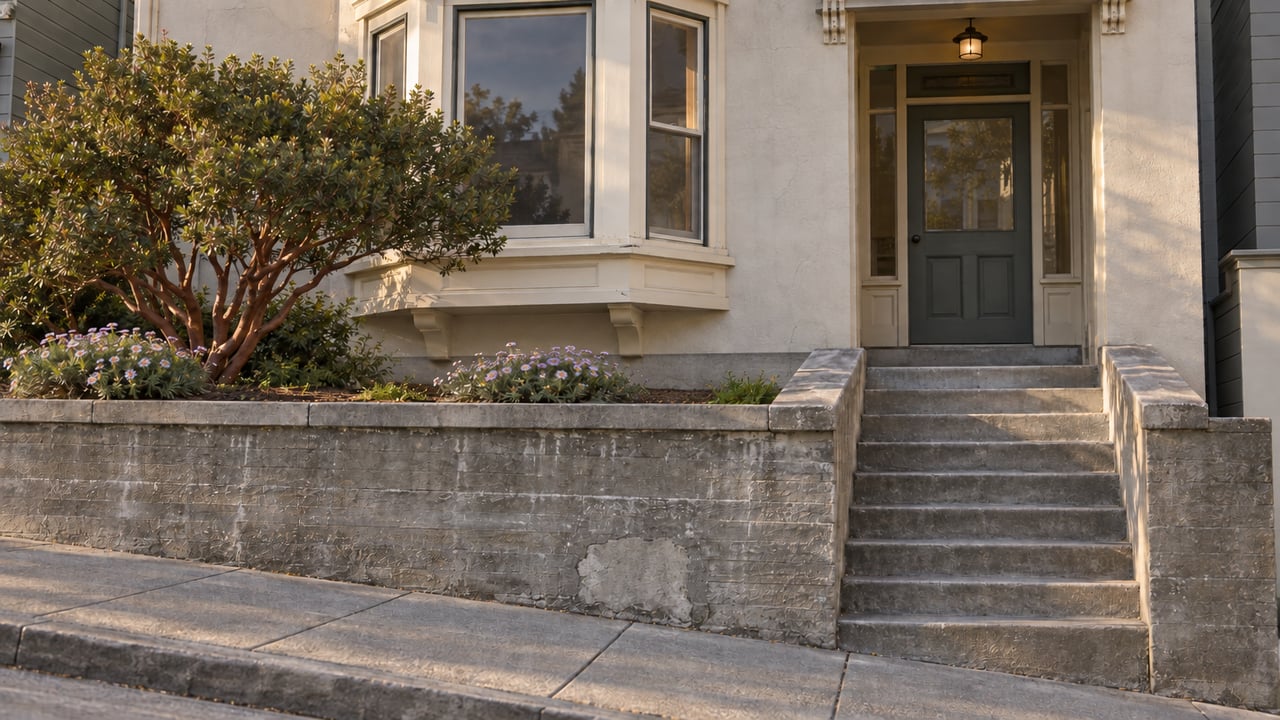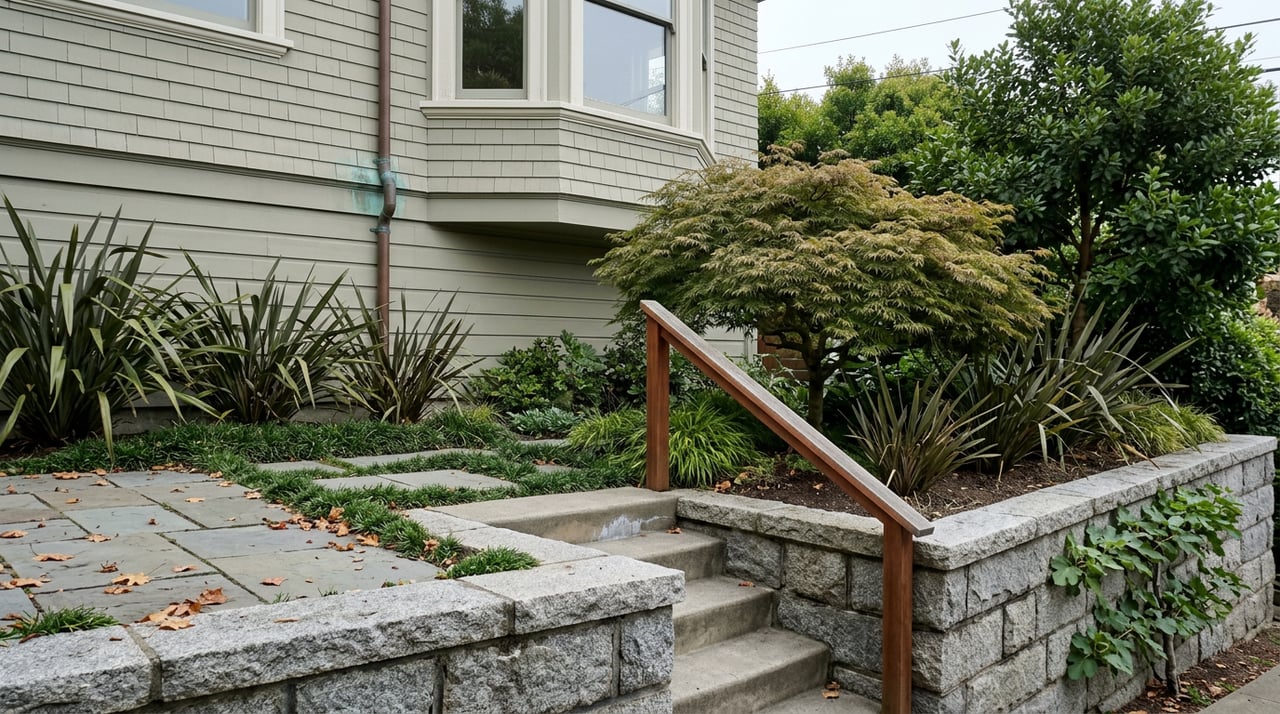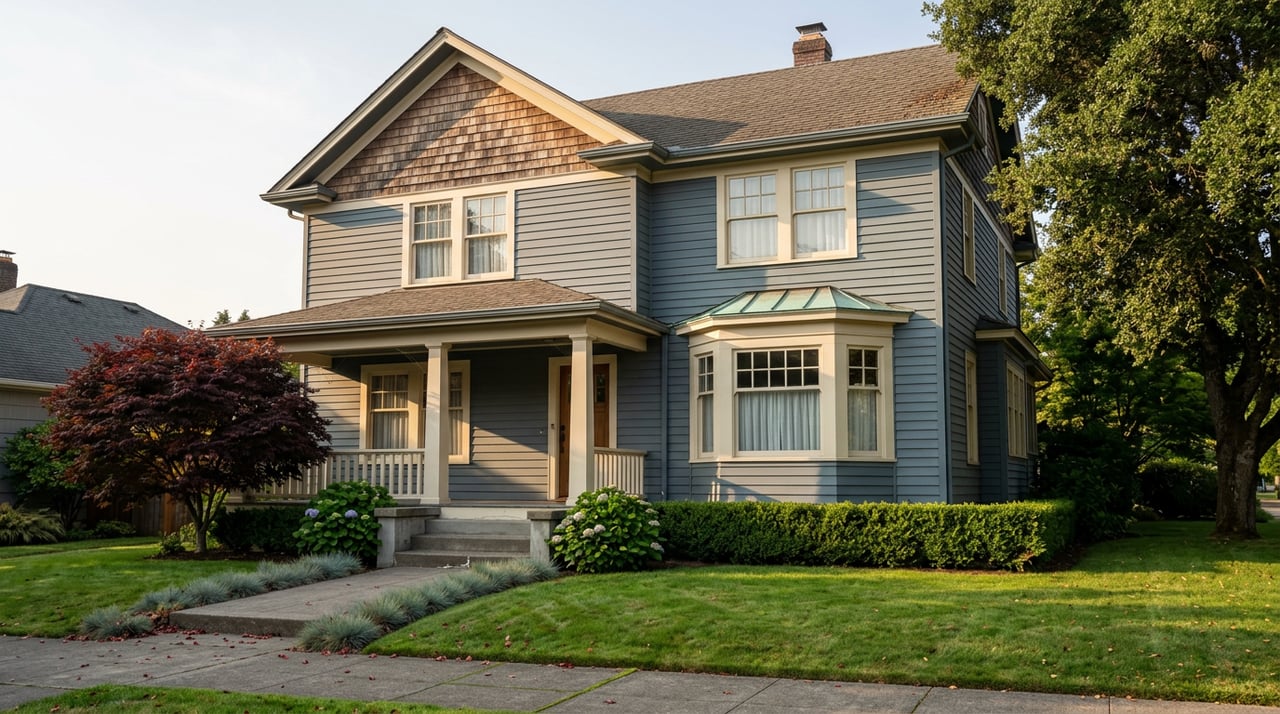
This spring, a four-bedroom home on Ulloa Street closed for $3.15 million. Right now, a smaller four-bedroom on Madrone Avenue is sitting on the market under $2 million after three weeks. West Portal sells roughly half a dozen homes in a typical month. That means one high closing can swing the reported median by six figures without the underlying market moving at all, and it explains why anyone researching this neighborhood right now is running into numbers that flatly contradict each other.
That contradiction matters less than the other number circulating about West Portal this year: a two-year traffic safety evaluation the SFMTA released in July 2026, covering the aftermath of the March 2024 crash that killed a family of four at a bus stop on Ulloa Street near West Portal Station. Merchants fought the resulting redesign, worried it would choke off traffic to their stores. The data says the opposite happened. That gap between what people feared and what the numbers show is the real story for anyone weighing whether to buy here.
The price data doesn't agree with itself
Pull three different home-price readings for West Portal published within weeks of each other in 2026 and you get three different stories:
| What was measured | Time window | Result |
|---|---|---|
| Average home value index | Trailing 12 months, ending July 2026 | Up nearly 19% |
| Median sale price, 3-month rolling comparison | Year-over-year, ending May 2026 | Down more than a third |
| Median sale price, trailing 12 months | Mid-2026 | Down about 4% |
None of these trackers made an error. They are measuring a market too small to behave like a citywide index. West Portal is a pocket neighborhood of detached homes on larger-than-typical San Francisco lots, and when only a handful of properties close in a given window, one estate sale or one distressed listing can bend the median in either direction. A buyer who anchors on any single headline number from this neighborhood is reading noise as signal. The more reliable read on where West Portal is heading isn't the price chart. It's what's happening on the street itself.
What actually changed after the redesign
The SFMTA project at the center of this began after tragedy. On March 16, 2024, a driver killed a family of four waiting at a bus stop steps from West Portal Station, next to the branch library on Lenox Way. The agency's initial proposals were aggressive: physically protected bus stops, turn restrictions on nearly every approach to the intersection, transit-only lanes carved out of general traffic. The West Portal Merchants Association and a group of residents pushed back hard, arguing the changes would strangle the commercial strip. An 11-member group, later formalized as the Welcoming West Portal Committee, spent weeks negotiating a scaled-back version. By one advocate's count at the time, the final plan gutted 70 percent of the proposed transit lanes and cut the turn restrictions by more than half.
What actually got built: turn restrictions at Ulloa and West Portal, a one-way conversion on Lenox Way, planters and a bikeshare station redirecting foot traffic into the station, speed tables on Wawona Street, and a pedestrian-activated flashing beacon installed at Ulloa and Wawona in March 2025.
The SFMTA's July 2026 evaluation, covering the two-year window from October 2024 through March 2026 against the same months two years earlier, found:
- Traffic collisions in the half-square-mile area around the crash site dropped 60 percent
- Collisions resulting in serious injury fell from 6.7 per year to 2.7 per year
- Illegal U-turns at the intersection dropped 75 percent after a red transit lane was added
- Sales tax receipts on the corridor kept growing faster than the citywide average, a trend that held both before and after the project went in
Resident Tom Kanaley, who lives on the newly one-way Lenox Way and sits on the Welcoming West Portal Committee, told SFGATE that the changes had calmed traffic and that driver behavior had adjusted over time. Not everyone agrees the data tells the full story. Mission Local's coverage of the report noted that critics, including at least one resident who films the intersection regularly, argue enforcement is still inconsistent and that some drivers continue to ignore the new turn restrictions.
Why the merchants' fear didn't hold up
The instinct behind the pushback made sense on paper. Restrict how cars move through a shopping corridor and you'd expect foot traffic and sales to suffer. That's the assumption underlying a lot of neighborhood resistance to safety redesigns across the city.
What the two years of data actually show is closer to the reverse. Ninety-five percent of survey respondents said they visit West Portal businesses as often or more often than before the project. Sales tax growth didn't dip after the changes went in and continued outpacing the citywide trend. The corridor didn't lose customers by becoming harder to drive through fast. If anything, a calmer, more legible intersection made West Portal Avenue a place people were still willing to walk to.
That's worth sitting with if you're comparing West Portal to other westside neighborhoods on the basis of "walkability" or "small-town feel," phrases that show up in nearly every description of the area. The SFMTA data is the closest thing to a real test of whether that reputation holds up under pressure, and so far it has.
What this means if you're deciding between West Portal and somewhere else
Buyers drawn to West Portal are usually weighing the same tradeoff: a detached single-family home on a real lot, walking distance to a Main Street commercial strip, direct Muni Metro access into downtown through the Twin Peaks Tunnel, against the reality that this is still an expensive, competitive corner of San Francisco. The safety data doesn't change that tradeoff, but it does answer a question that's been hanging over the neighborhood since 2024: is the intersection at the center of daily life here actually safer now? The two-year numbers say yes, with the caveat that some residents still see room for stricter enforcement.
The other piece worth knowing before you commit to a transit-dependent lifestyle here: the Twin Peaks Tunnel itself, which opened in 1917 and carries roughly 80,000 riders a day on the K, L and M lines, underwent structural repair work in 2026 that closed West Portal and Forest Hill stations for stretches over the summer. The upside is that the repairs lifted a long-standing speed restriction inside the tunnel, and the SFMTA has flagged more inspections and upgrades over the next five to ten years to keep century-old infrastructure reliable. Expect occasional weekend or overnight closures as routine maintenance on a hundred-year-old tunnel, not a sign anything is wrong with the line.
None of this shows up in a median price chart. It shows up in a government safety report, a transit agency's construction schedule, and the accounts of the people who live on the block. That's the kind of detail a headline stat can't give you, and it's a better guide to what buying in West Portal actually feels like day to day.
A few common questions
Is the intersection near West Portal Station actually safer now than in 2024? The SFMTA's own two-year data says yes on the core metrics: collisions down 60 percent and serious-injury crashes down from 6.7 to 2.7 per year in the area around the 2024 crash site. Some residents still argue enforcement of the new turn restrictions is inconsistent.
Why do home price reports for West Portal contradict each other so much? Low transaction volume. With only a handful of closings most months, a single high-end sale or a single distressed listing can move the median by a large percentage without reflecting any real shift in the broader market.
Will Twin Peaks Tunnel work disrupt my commute if I buy here? Expect periodic weekend or overnight closures as the SFMTA continues inspections and upgrades on a tunnel built in 1917. The most recent major repair work lifted a speed restriction that had been slowing K, L and M trains, which should mean more reliable service going forward.
If you're weighing West Portal against another westside micro-market and want to talk through what the actual data says rather than the headline number, Level Up Group can walk you through recent closings, current inventory, and what to expect from this corridor before you write an offer. Schedule a consultation and we'll get you real numbers, not averages built on six sales a month.