In February 2026, the average Glen Park home sat on the market for 32 days. A year earlier, that number was 15. Read that stat on its own and it looks like a neighborhood cooling off. Then look at what happened to price in the same month: the median sale climbed to $2.0 million, up 10.8 percent year over year, while only 8 homes closed compared to 15 the February before.
Slower and more expensive at the same time is not what a softening market looks like. It is what a shrinking one looks like. Then the number corrected itself almost as fast as it appeared. By mid-2026, Redfin's read on Glen Park had flipped back to homes selling in about 14 days, with the neighborhood scored among the most competitive it tracks anywhere in the city. A months-long slowdown that reverses in a matter of months is not a demand story. It is what happens when a handful of hard-to-finance, work-needed listings pass through a market that otherwise has almost nothing for sale. That is the actual story in Glen Park right now, and it points to something buyers researching this neighborhood on a portal listing page will not see: the scarcity here is not a temporary supply hiccup. It is close to structural.
The Days-on-Market Number Isn't Measuring What You Think
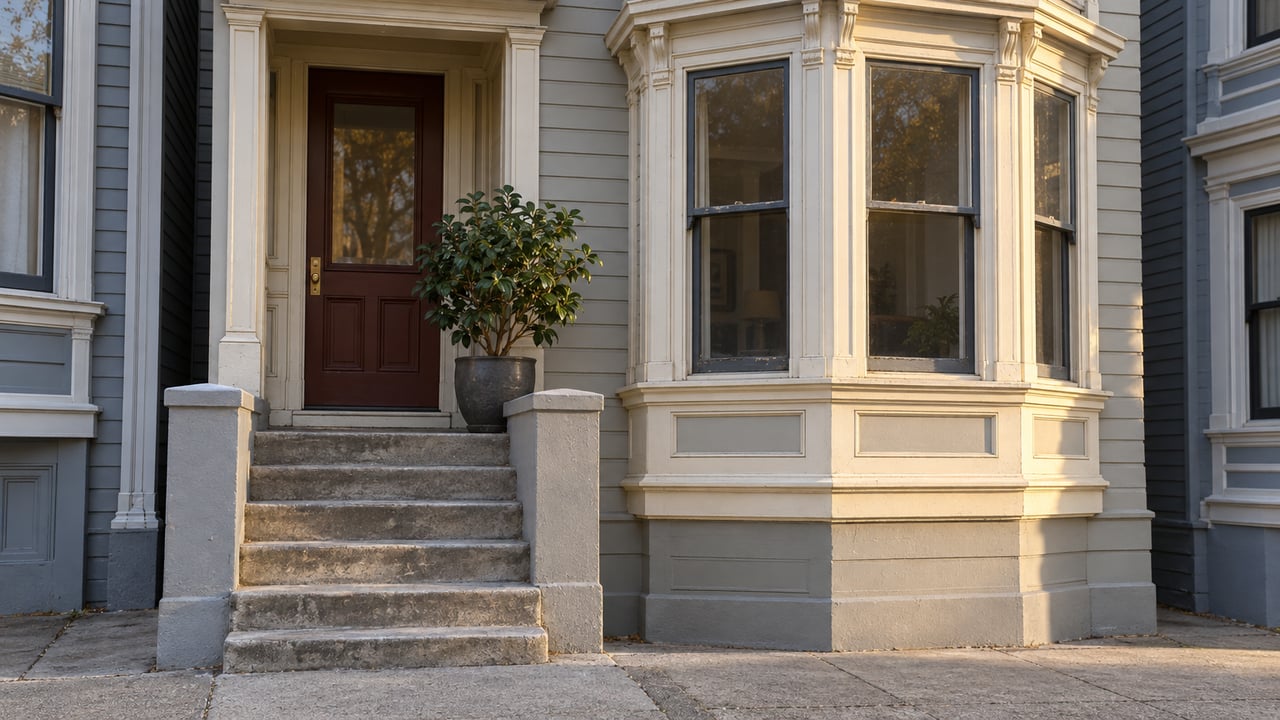
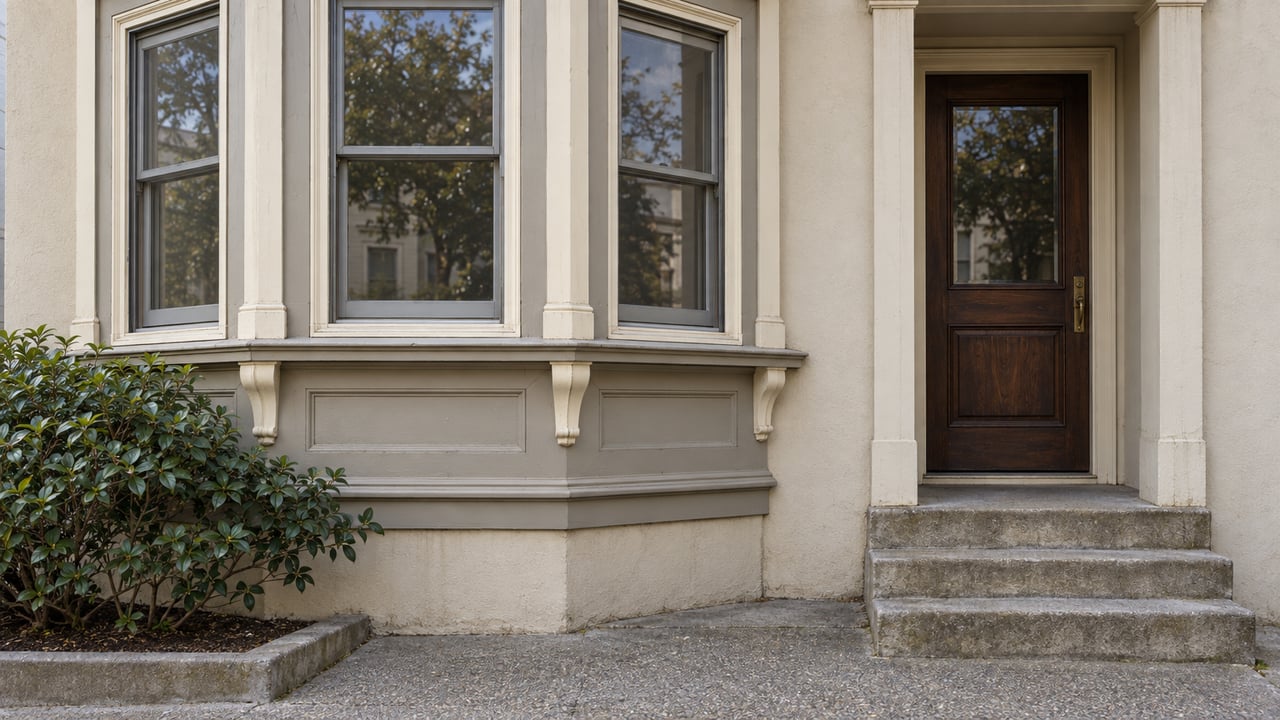
A rising days-on-market figure usually gets read as falling demand. In Glen Park, the more accurate read is a shrinking, pickier buyer pool matched against a stock of homes that increasingly needs work before it can close. Glen Park's housing is old. The median year built across the neighborhood's residential parcels is 1928, and roughly two-thirds of homes were built before 1950. That means foundation condition, seismic retrofit status, and drainage on the hillside lots all vary widely from block to block, sometimes from house to house on the same block.
A move-in-ready home near the village core can still draw multiple offers and close inside two weeks. A home that needs a new foundation, a sewer lateral replacement, or seismic bracing on a Fairmount slope lot sits longer, because fewer buyers are equipped or willing to take that on in a market with limited financing flexibility for major structural work. Average the two together and you get a days-on-market number that looks like a cooling trend when it is really a bifurcation: fast for turnkey, slow for everything else, and fewer total transactions because there is simply less inventory of either kind. The snap back to a 14-day average within a few months confirms it. Nothing about underlying demand changed. A thin run of harder-to-finance listings just worked its way through the pipeline.
You're Not Buying a House. You're Buying a Parcel.
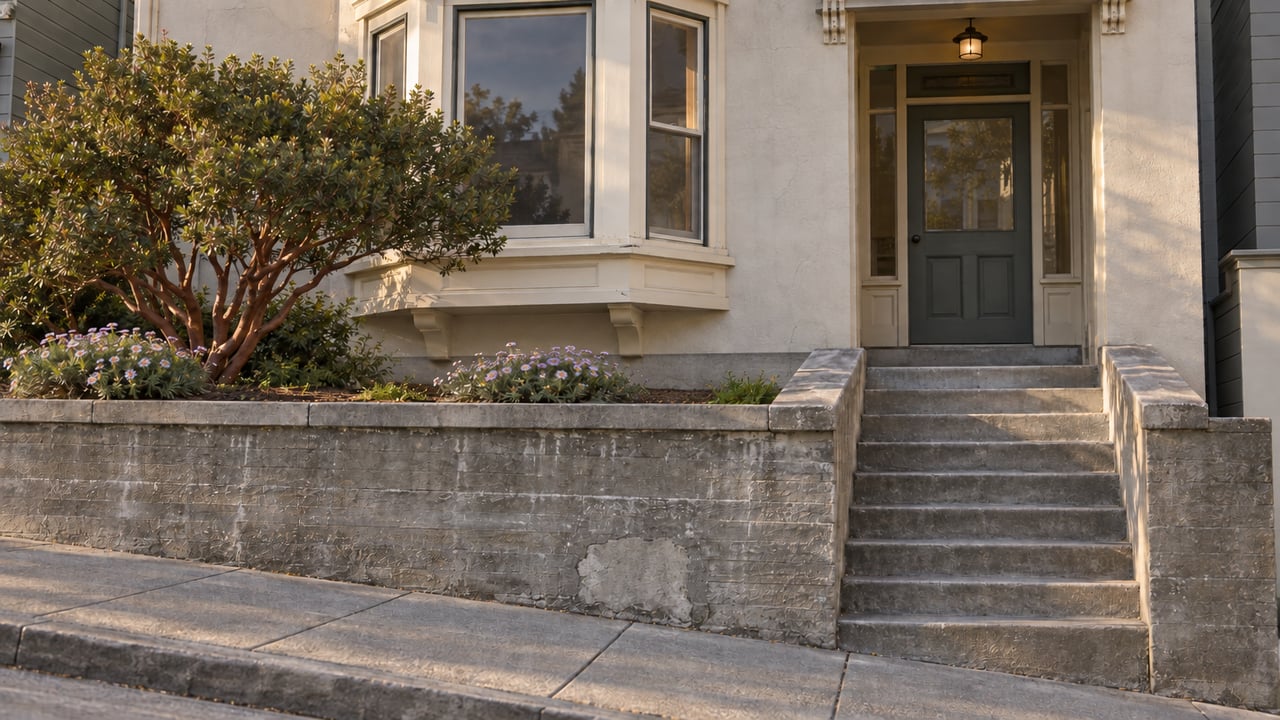
Here is the piece that actually explains Glen Park's pricing behavior. A parcel-level analysis of nearly 2,800 Glen Park residential records found that land value exceeds the assessed value of the structure on 64.2 percent of properties. Single-family homes make up close to three-quarters of the neighborhood's housing stock, sitting on a median lot size of about 2,500 square feet.
Put plainly: when you buy in Glen Park, you are paying primarily for the dirt, the slope, and the position, not the building sitting on top of it. That reframes how to think about renovation potential, teardown value, and why two homes on the same block with wildly different interior conditions can carry similar asking prices. The structure is often the smaller half of the equation. The land, the outlook, and the walk to Diamond Street are doing most of the financial work.
This is also why cosmetic condition matters less here than it might in a neighborhood with newer housing stock. A buyer chasing a fully renovated kitchen at Glen Park prices is often overpaying for finishes on a lot where the land was always the majority of the value. A buyer comfortable inheriting some deferred maintenance, by contrast, is buying into the part of the price that tends to hold up.
Why Owners Don't Sell, Even as Prices Climb
If land is the scarce resource and prices keep rising, the obvious question is why more owners don't cash out. The answer sits in how California taxes property. Under Proposition 13, a home's assessed value, and therefore its property tax bill, is tied to its purchase price rather than current market value, and that assessment only resets when the property changes hands. An owner who bought in Glen Park a decade or two ago is often paying property taxes on a fraction of what the home is worth today. Selling and buying back in, even in the same neighborhood, means resetting that tax basis at current prices. For a lot of long-tenured owners, that math simply does not pencil out, so they stay put.
Layer that incentive on top of a neighborhood that is already largely built out, with few remaining sites suited to new construction, and you get a supply problem that price appreciation alone does not fix. Higher prices normally pull more sellers into a market. In Glen Park, higher prices raise the cost of leaving just as fast, which is part of why turnover stays thin even as demand holds.
What the Scarcity Is Actually Protecting
None of this would matter if Glen Park weren't also solving a real problem for buyers, which is why the scarcity persists instead of resolving through people simply looking elsewhere. Glen Park has its own BART station, on Diamond Street at the center of the neighborhood, offering a one-seat ride to Civic Center, Montgomery, and Embarcadero, with on-time performance running above 93 percent in early 2026 according to BART. For anyone with mandatory office days downtown, that is a commute advantage that is genuinely hard to replicate. Add quick access to Interstate 280 for Peninsula-bound driving, and Glen Park covers both a train commute into the city and a car commute south in a way that few other San Francisco micro-markets manage from a single address.
That dual access is the demand-side counterweight to everything above. Buyers are not just competing for a scarce, aging housing stock. They are competing for a scarce, aging housing stock that happens to sit on top of one of the more efficient commute nodes in the city.
What the Same Budget Buys Elsewhere
Because Glen Park sits in the middle of the city's price range, it gets cross-shopped constantly against a specific set of neighboring micro-markets. The clearest comparison available across these five uses January 2026 figures, except for Bernal Heights, which is shown using its December 2025 figure. Individual prices have moved since, but the relative positioning is the useful part:
| Neighborhood | Approx. median sale price | What that money is buying |
|---|---|---|
| Glen Park | ~$1.93M (Jan 2026) | Own BART station, compact village core, hillside lots, older housing stock |
| Noe Valley | ~$2.25M (Jan 2026) | Larger retail corridor on 24th Street, no BART, Muni and rideshare for downtown trips |
| West Portal | ~$2.3M (Jan 2026) | Bigger commercial spine, strong Muni Metro access, flatter streets |
| Inner Sunset | ~$1.75M (Jan 2026) | Competitive mid-range pricing, solid Muni access, closer to the park and the coast |
| Bernal Heights | ~$1.47M (Dec 2025) | Lower entry price, strong neighborhood feel, easier street parking and driving |
Glen Park lands in the middle of that group while offering the only direct BART connection among the five. Noe Valley and West Portal both price higher and trade the train for stronger retail corridors and Muni service instead. Bernal Heights is the value play but without the same downtown rail access. If a one-seat BART ride matters more to your daily routine than a bigger commercial strip, Glen Park's pricing relative to Noe Valley and West Portal starts to look less like a premium and more like a discount for a smaller village core. Current listings will have moved from these figures, so treat the table as a map of how the neighborhoods sit relative to each other rather than a live price check.
If you're weighing whether to sell into this kind of scarcity rather than buy into it, the calculation runs differently, and we've laid out what Glen Park sellers should know about current home values in more detail.
Before You Compete for a Listing
Given how much of Glen Park's value sits in older, hillside parcels, a few checks matter more here than in flatter, newer-stock neighborhoods:
- Confirm the foundation type and any prior seismic retrofit work, especially on homes built before 1950
- Get a sewer lateral scope before waiving inspection contingencies, since aging clay pipe is common in this vintage of housing
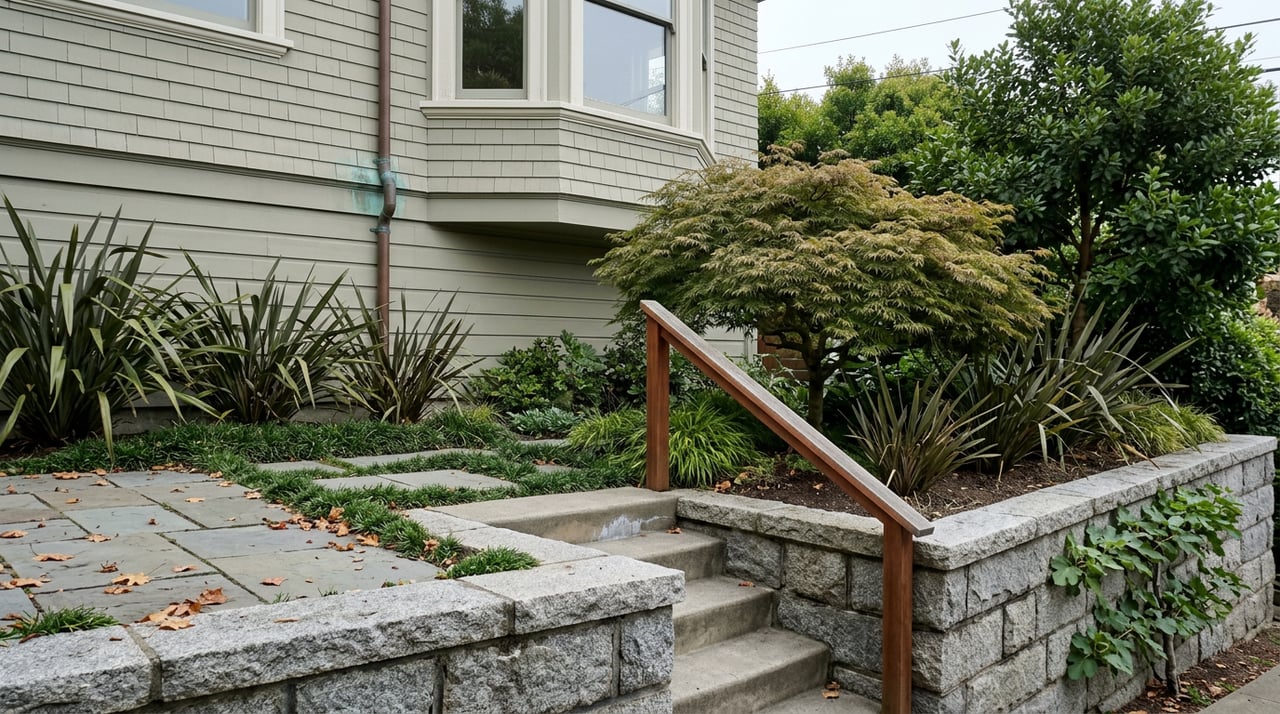
- Ask about drainage and retaining wall history on any lot along the Fairmount slope or canyon-adjacent blocks
- Verify deeded parking and garage permit status separately from the listing description
- Walk the commute at your actual departure time, since BART frequency and I-280 traffic both shift meaningfully at peak hours
Buyers who build these into their offer strategy up front tend to move faster and with more confidence when the right listing does surface. Our Glen Park escrow timeline guide walks through what to expect once you're under contract.
A Few Straight Answers
Is Glen Park actually more affordable than Noe Valley or West Portal? On median price, yes, based on January 2026 figures. Whether that holds as a real discount depends on how much you value BART access versus a larger retail corridor.
If I work from home, does the BART advantage still matter? It matters less for your own commute but still supports resale demand, since a meaningful share of future buyers will be weighing the same downtown or Peninsula commute you may not need today.
Why does the age of the housing stock matter more here than elsewhere? Because so much of Glen Park's value sits in the land rather than the structure, older homes are common and expected. The financial exposure is in underestimating repair costs on a property whose price was set mostly by its lot, not its finishes.
Glen Park rewards buyers who understand what they're actually competing for. If you want a clear read on current listings, comparable sales, and what a specific property's land-to-structure value split looks like before you write an offer, Level Up Group can walk through it with you. Start with our buyer needs assessment or browse the Glen Park neighborhood page for a closer look at what's currently on the market.
This article is general information, not legal, tax or financial advice. Consult a qualified professional about your situation.