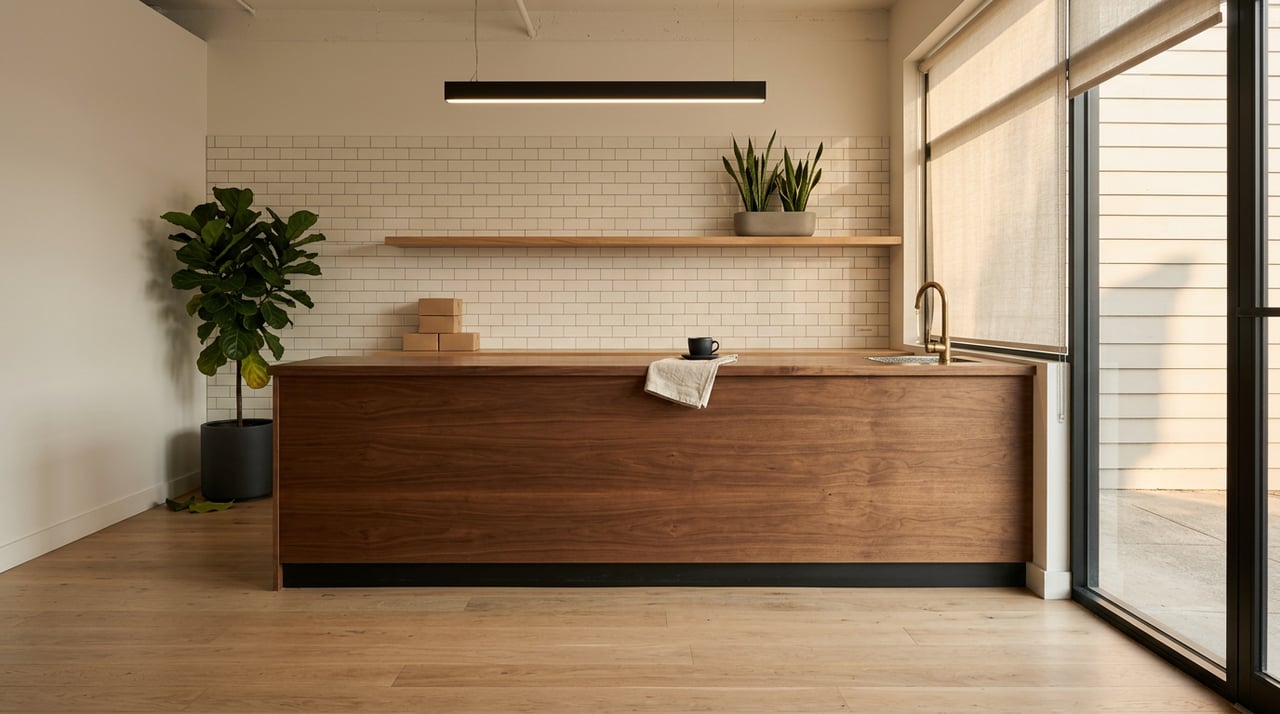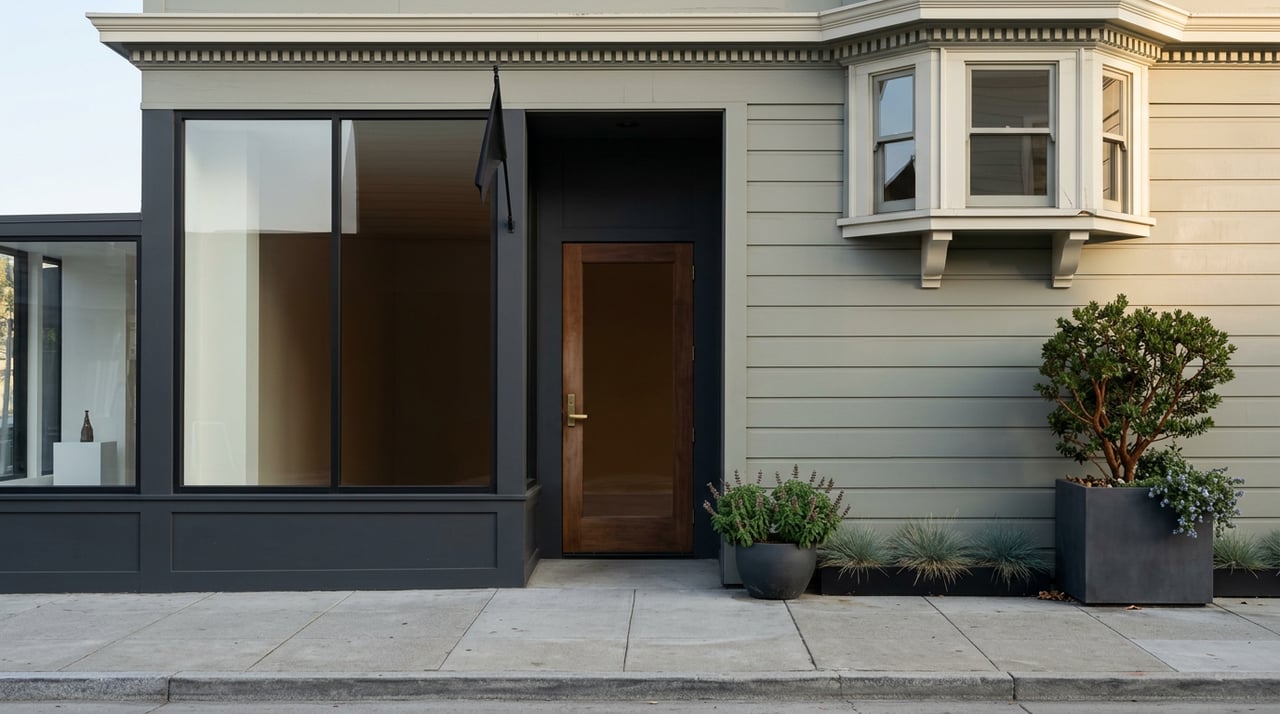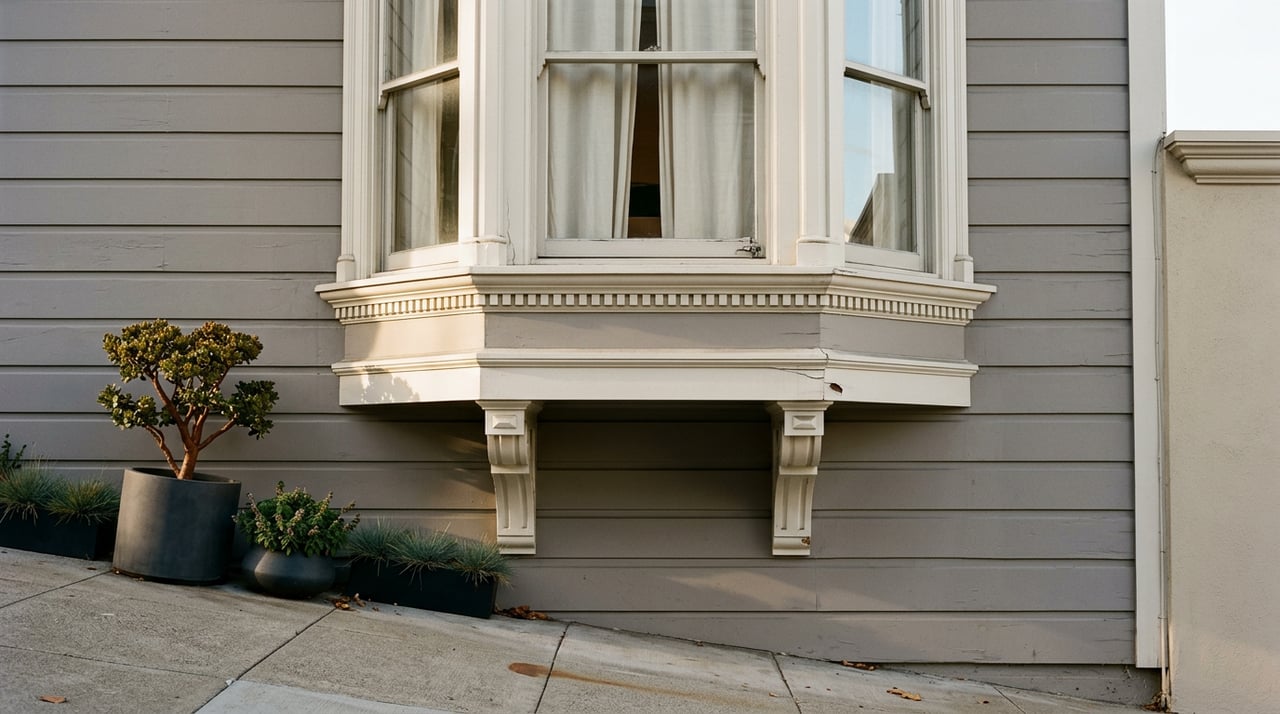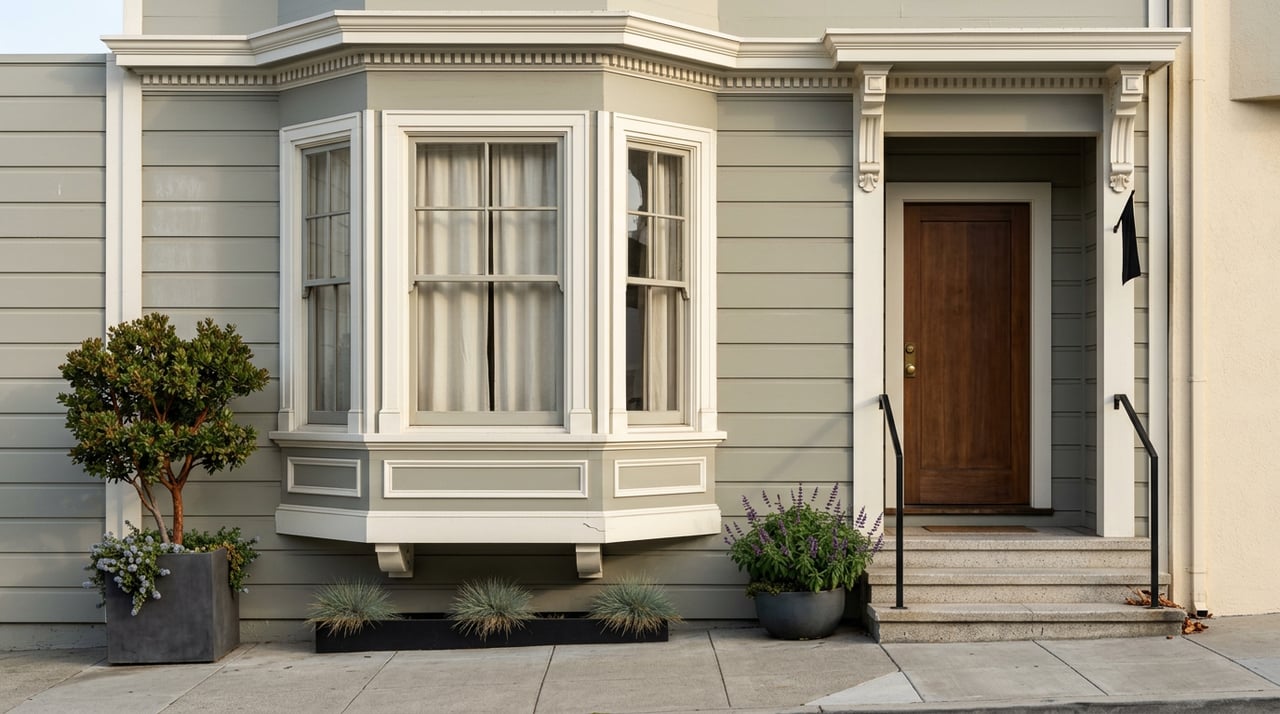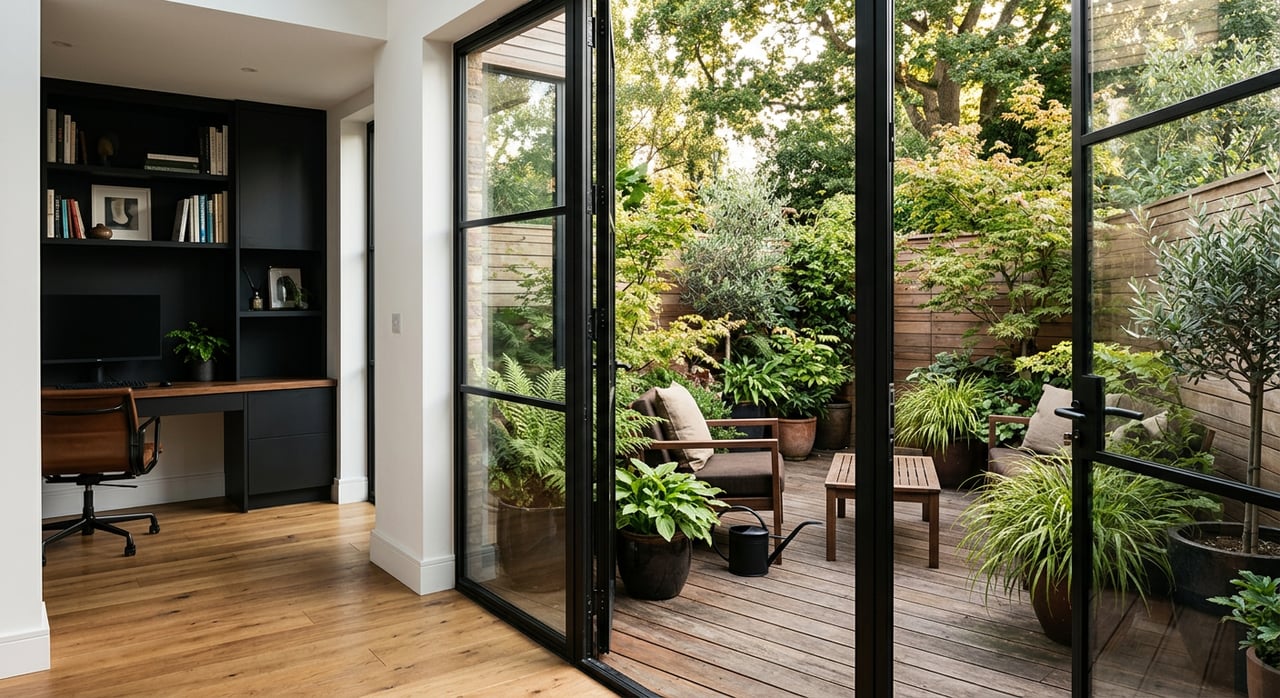
If your home now doubles as your office, Noe Valley makes workdays feel easier. You can grab a latte on 24th Street between Zoom calls, squeeze in a sunny walk, and still enjoy a quiet, focused home base. Whether you are full-time remote or hybrid, this neighborhood blends convenience, calm streets, and strong connectivity so you can be productive without sacrificing lifestyle. In this guide, you will learn why Noe Valley works so well for remote work, what home features to prioritize, and the practical checks to make before you buy. Let’s dive in.
Why Noe Valley fits remote work
Walkable daily routine
Noe Valley is known for its small-city feel and highly walkable core. The 24th Street corridor packs cafés, bakeries, groceries, and everyday services into a compact stretch so you can run quick errands or take a short coffee break without losing your flow. The neighborhood consistently earns a walker’s-paradise rating, with a Walk Score around 94, which is a big win when you split days between focused work and short outings. You can confirm current scores at the neighborhood level through the Noe Valley Walk Score page for an up-to-date snapshot (see Walk Score).
Sunny microclimate and outdoor spots
Sheltered by Twin Peaks, Noe Valley often enjoys sunnier, milder conditions than many parts of San Francisco. That extra sunlight makes outdoor breaks, roof decks, and sidewalk seating more useful throughout the year. If a bit of fresh air and daylight help your energy, this microclimate is a meaningful lifestyle advantage for remote and hybrid schedules.
Community resources for work
When you need a change of scene or a quiet spot outside the house, the Noe Valley/Sally Brunn branch of the San Francisco Public Library offers Wi‑Fi, study tables, and programming that supports flexible work days. It is an easy, reliable place to plug in for a few hours or host a low‑key meeting. Check hours and services before you go on the library’s official page (Noe Valley Branch Library).
Transit for hybrid days
If you head into the office occasionally, the J Church Muni line runs along Church Street with stops near 24th, 25th, and beyond, giving you simple north‑south access through the city (SFMTA J Church route). For Peninsula trips, regional rail is available from the San Francisco Caltrain terminal, which you can reach by Muni or a short drive when you need it (Caltrain schedules). Your exact commute rhythm will vary by employer, but Noe Valley’s options make hybrid weeks more manageable.
What homes look like in Noe Valley
Classic homes with modern updates
You will see a mix of classic Victorian and Edwardian row houses, low‑rise flats, and a handful of newer condo conversions and townhomes. Many homes are multi‑level with split bedrooms, dens, or bonus spaces that convert well to an office. For a general overview of the area’s housing character and history, consult neighborhood references that outline Noe Valley’s built fabric (Noe Valley overview).
Tradeoffs to expect
Detached homes with large private yards are limited and command premium prices. Many buyers choose condos or flats with smaller outdoor areas, roof access, or shared amenities in exchange for top-tier walkability. Parking can be tight on certain blocks, so an on‑site garage or assigned space is a valuable feature if you plan occasional commutes.
Remote‑ready features to prioritize
The right home can make your workday smoother. As you tour properties, look for:
- Dedicated office room. A fully enclosed room delivers privacy for calls and focus time. Nooks work in a pinch, but a door you can close often becomes a must‑have for hybrid workers.
- Natural light and orientation. Top‑floor rooms and south or east exposures typically offer better daylight, which is useful for mood and video calls. Use listing photos and in‑person visits to verify light quality.
- Hardwired connectivity. Ethernet or Cat‑6 wiring helps stabilize video calls and large uploads. Fiber service is widely available across much of Noe Valley, but coverage varies by address, so always confirm availability for the exact property (fiber and internet overview).
- Noise control. Double‑pane windows, solid core doors, and locating your office away from busier streets can make a measurable difference for meetings and concentration.
- Flex spaces and outdoor areas. Dens, attics, sunrooms, finished basements, and roof or rear decks support secondary work zones, brainstorming breaks, or casual client chats.
- Electrical capacity and ergonomics. Older homes may need panel upgrades to safely run multiple monitors, a laptop dock, and peripherals. Check outlet count and placement.
- ADU or studio potential. Many owners add accessory dwelling units or convert garages to studios for work or guest use. San Francisco’s ADU framework can make these projects feasible, but it requires permits. Review the city’s current guidance early in your search (SF ADU resources).
- Seismic and permit history. With older buildings, verify past permits and any required seismic upgrades, especially for multi‑unit buildings subject to soft‑story rules. Ask for documentation and check city records where possible (city soft‑story program).
A workday that flows
Picture a Tuesday at home. You start with heads‑down work in a quiet, light‑filled office, then walk five minutes to 24th Street for a quick coffee. Around lunch, you stretch your legs at Noe Valley Town Square, where community events and seasonal programming give the plaza life throughout the year (Town Square updates). On Saturdays, the year‑round Noe Valley Farmers’ Market brings local produce to the square, another perk for your weekend routine (Noe Valley Farmers’ Market). If you need a focused afternoon block, the Noe Valley library branch offers a dependable alternative workspace just a short stroll away (Noe Valley Branch Library).
Market snapshot to watch
As of early 2026, different data feeds place Noe Valley’s median home values in the upper tier for San Francisco, often in the roughly 1.9 million to 2.3 million range depending on property type and the specific month. Local prices and days on market shift quickly, so refresh market stats from trusted sources and note the date each time you publish or compare homes. If you are weighing a bid or timing a sale, align your decision with current monthly data and recent nearby comps.
Buyer checklist for Noe Valley
Use this quick checklist to evaluate how well a home supports your remote or hybrid routine:
- Office readiness
- Is there a dedicated, enclosed room for an office? If not, where could you create one without sacrificing key living areas?
- Connectivity
- Which internet providers serve the exact address? Is fiber available? Does the building have Ethernet wiring, or will you need to upgrade? Run an address‑level check before you write an offer (fiber and internet overview).
- Noise and privacy
- Is the office space street‑facing or at the rear? What type of windows and doors does it have? Ask about typical daytime noise and delivery schedules.
- Outdoor and break space
- Is there a yard, deck, or roof area for breaks, or simple access to the Noe Valley Town Square for quick walks? Review city park resources for recent improvements (Town Square updates).
- Flex spaces and ADU potential
- Could a den, attic, garage, or backyard become a studio or ADU over time? Verify ADU eligibility and permit requirements with the city before committing (SF ADU resources).
- Seismic and permits
- Request permit history and confirm any seismic updates for older structures. For multi‑unit buildings, ask about soft‑story status and any open items with the city (city soft‑story program).
- Power and HVAC
- Can the electrical system support your setup without tripping breakers? Is ventilation and temperature control adequate during sunnier months?
- Parking and occasional commuting
- If you keep a car, is there a garage or reliable permit parking? How simple is it to reach the J Church or connect to Caltrain for periodic Peninsula meetings (SFMTA J Church route, Caltrain schedules)?
Tips for Noe Valley sellers
If you are preparing to sell, lean into the hybrid lifestyle buyers want:
- Stage a real office. A proper desk, an ergonomic chair, and a clean video‑call background show how the space works day to day.
- Showcase connectivity. If you have fiber, Ethernet ports, or a structured media panel, make them visible and include them in your features list.
- Highlight quiet and light. Note any sound‑reducing upgrades and the orientation of bright rooms. Morning or late‑afternoon photos can communicate warm daylight.
- Photograph outdoor moments. Show a small deck with a laptop setup, a sunny reading corner, or a view of the Town Square just down the street.
Get local guidance
Choosing the right Noe Valley home for remote work is about matching floor plan, light, connectivity, and neighborhood flow to your routine. A local team can help you verify address‑level internet availability, assess ADU or studio potential, and review seismic and permit histories before you commit. If you are buying or selling in Noe Valley, connect with David Juarez to map a clear plan and move forward with confidence.
FAQs
Do I need a large home to work from home in Noe Valley?
- No. Many buyers adapt a bedroom, den, or attic, but an enclosed room is ideal for privacy and focus.
Is broadband reliable for remote work in Noe Valley?
- Most addresses have at least one high‑speed provider and widespread fiber, but availability is address‑specific, so run a check for the exact property.
Can I add an ADU or detached studio for a home office?
- Often yes. San Francisco’s ADU program supports many projects, but you should review current rules, permits, and timelines with the city early.
Are there places to work outside my home near Noe Valley?
- Yes. 24th Street cafés, the Noe Valley library branch, and nearby public spaces offer solid alternatives for a few hours of focused work.